
Johann Anton Eismann, Public Domain
Figurative
Figurative art, sometimes written as figurativism, describes artwork (particularly paintings and sculptures) that is clearly derived from real object sources and so is, by definition, representational. The term is often in contrast to abstract art. Painting and sculpture can therefore be divided into the categories of figurative, representational and abstract, although, strictly speaking, abstract art is derived (or abstracted) from a figurative or other natural source. However, "abstract" is sometimes used as a synonym for non-representational art and non-objective art, i.e. art which has no derivation from figures or objects. Figurative art is not synonymous with figure painting (art that represents the human figure), although human and animal figures are frequent subjects.
The formal elements, those aesthetic effects created by design, upon which figurative art is dependent, include line, shape, color, light and dark, mass, volume, texture, and perspective, although these elements of design could also play a role in creating other types of imagery—for instance abstract, or non-representational or non-objective two-dimensional artwork.
Artworks
-
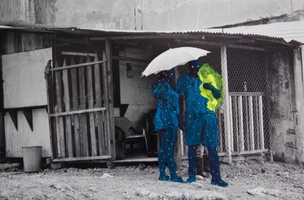 Adriana Ciudad Abuela Santana ¿porqué llora el niño?, 2018
Crisis
$1,800
-
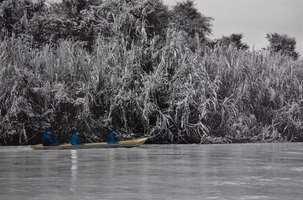 Adriana Ciudad A la orilla de la corriente, 2018
Crisis
$1,800
-
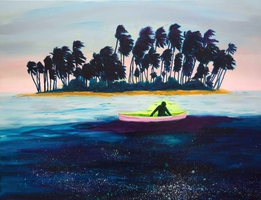 Adriana Ciudad A la tierra del olvido, 2018
Crisis
$7,000
-
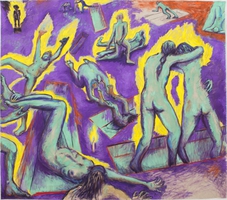 Pedro França Amanhã tem II, 2021
Martins & Montero
€10,500
Buy now
-
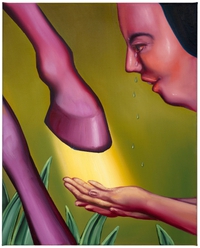 Ivana de Vivanco Anunciación, 2023
The Ryder Projects
€4,500
-
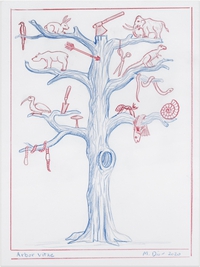 Mark Dion Arbor Vitae, 2020
In Situ - fabienne leclerc
€4,000
Sold
-
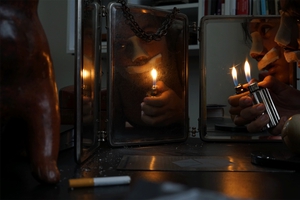 Liza Ambrossio Auto destrucción, 2022
TAP LAB
Sold
-
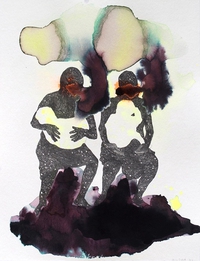 Adriana Ciudad A veinte soles de distancia #4, 2016
Crisis
$1,200
-
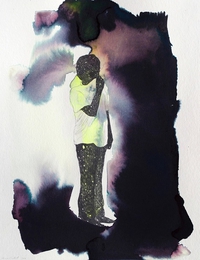 Adriana Ciudad A veinte soles de distancia #5, 2016
Crisis
$1,200
-
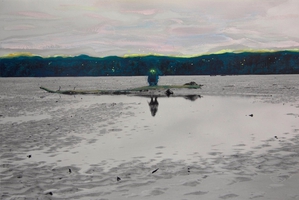 Adriana Ciudad Ay alma, cuando te vayas, al cuerpo dale mano, 2018
Crisis
$1,800
-
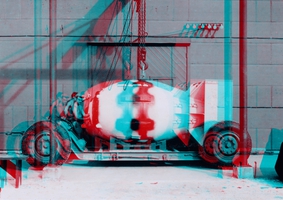 Renaud Auguste-Dormeuil Best wishes #01, 2010
In Situ - fabienne leclerc
€8,000
Buy now
-
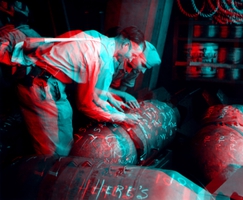 Renaud Auguste-Dormeuil Best wishes #02, 2011
In Situ - fabienne leclerc
€7,500
Buy now
-
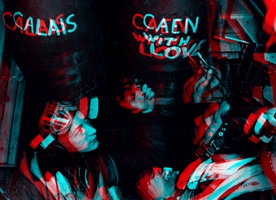 Renaud Auguste-Dormeuil Best wishes #03, 2011
In Situ - fabienne leclerc
€8,000
Buy now
-
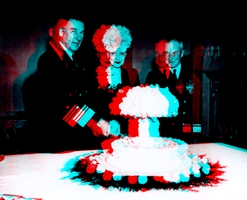 Renaud Auguste-Dormeuil Best wishes #04, 2010
In Situ - fabienne leclerc
€7,000
Buy now
-
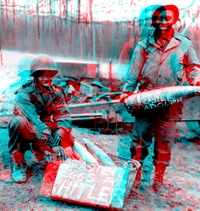 Renaud Auguste-Dormeuil Best wishes #05, 2011
In Situ - fabienne leclerc
€7,500
Buy now
-
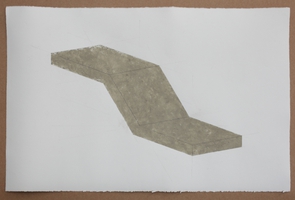 Christoph Weber Beton Brut Drawing, 2012
Galerie Jocelyn Wolff
€2,200
Buy now
-
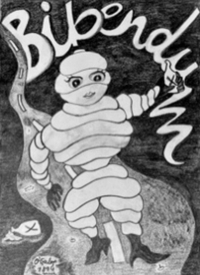 Anna McCarthy Bibendum, 2024
Sperling
€1,800
Buy now
-
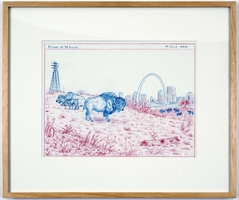 Mark Dion Bison of St. Louis, 2010
In Situ - fabienne leclerc
€4,000
Buy now
-
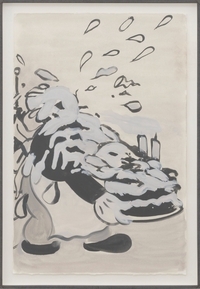 Pere Llobera Blown up cake, 2018
Bombon Projects
€2,200
-
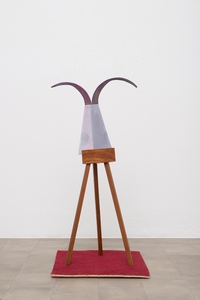 Ana Mazzei Bode (Goat), 2019
Martins & Montero
€4,000
Buy now
-
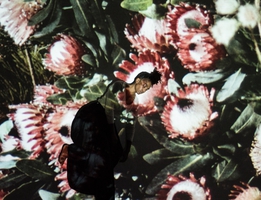 Uriel Orlow Botanical Dreams (2), 2018
mor charpentier
€5,000
-
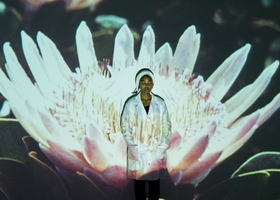 Uriel Orlow Botanical Dreams (3), 2018
mor charpentier
€5,000
-
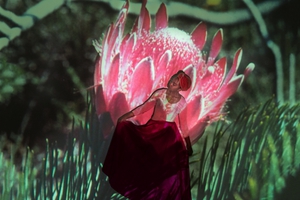 Uriel Orlow Botanical Dreams (4), 2018
mor charpentier
€5,000
-
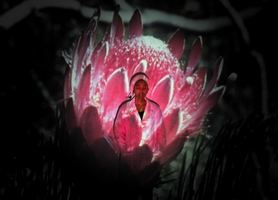 Uriel Orlow Botanical Dreams (5), 2018
mor charpentier
€5,000
-
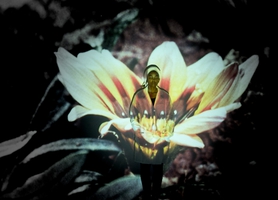 Uriel Orlow Botanical Dreams (6), 2018
mor charpentier
€5,000
-
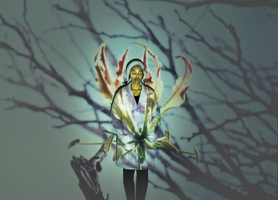 Uriel Orlow Botanical Dreams (7), 2018
mor charpentier
€5,000
-
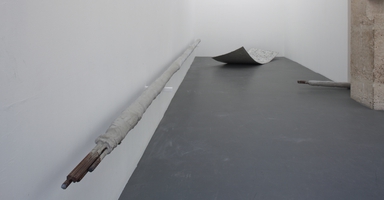 Christoph Weber Bündel, 2012
Galerie Jocelyn Wolff
€13,000
Buy now
-
 Christoph Weber Bündel, 2012
Galerie Jocelyn Wolff
€6,000
Buy now
-
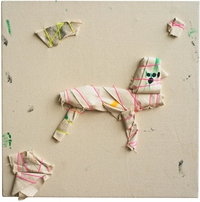 Misaki Kawai Camel Travel, 2014
Take Ninagawa
$3,500
-
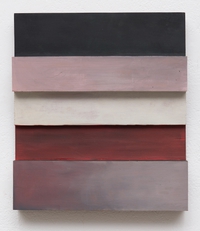 Ana Mazzei Cenário Bandeira, 2021
Martins & Montero
€7,500
Buy now
Artists
-
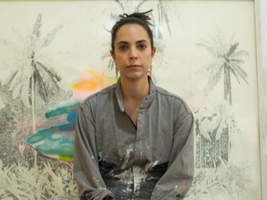 Adriana Ciudad
-
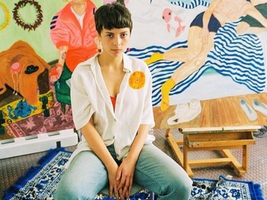 Alejandra Hernández
-
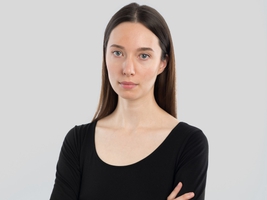 Alexandra Sukhareva
-
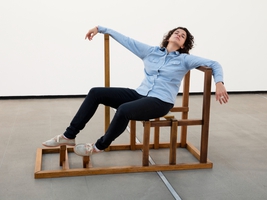 Ana Mazzei
-
 Anna Hulačová
-
 Ariamna Contino
-
 Basim Magdy
-
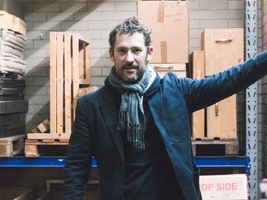 Christoph Weber
-
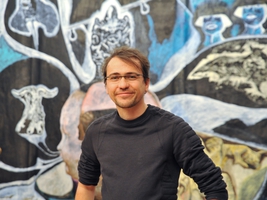 Damien Deroubaix
-
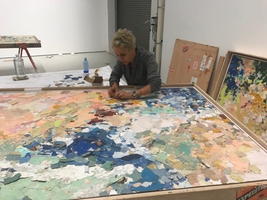 Diana Fonseca
-
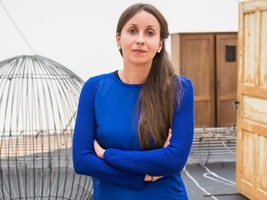 Eva Koťátková
-
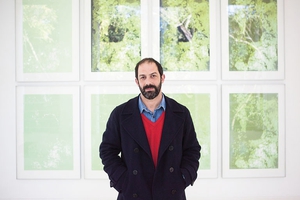 Francisco Tropa
-
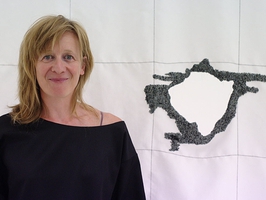 Isa Melsheimer
-
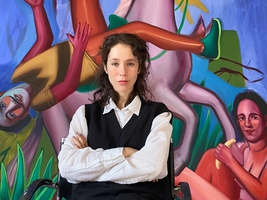 Ivana de Vivanco
-
 Juan Carlos Alom
-
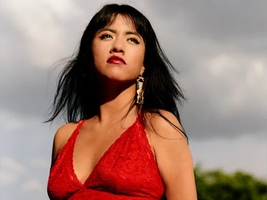 Liza Ambrossio
-
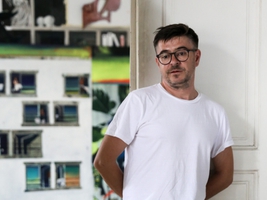 Marius Bercea
-
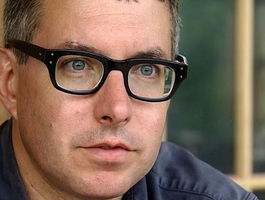 Mark Dion
-
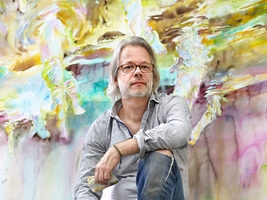 Martin Dammann
-
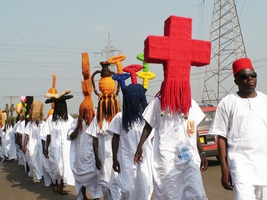 Meschac Gaba
-
 Mikhail Tolmachev
-
 Misaki Kawai
-
 Nina Childress
-
 Orestes Hernández
-
 Patricia Domínguez
-
 Pedro França
-
 Renaud Auguste-Dormeuil
-
 Reynier Leyva Novo
-
 Rob Pruitt
-
 Rocío García