
Edmund Husserl
Unknown (Mondadori Publishers), Public Domain
Phenomenology
Phenomenology (from Greek φαινόμενον, phainómenon "that which appears" and λόγος, lógos "study") is the philosophical study of the structures of experience and consciousness. As a philosophical movement it was founded in the early years of the 20th century by Edmund Husserl and was later expanded upon by a circle of his followers at the universities of Göttingen and Munich in Germany. In Husserl's philosofical conception, phenomenology is primarily concerned with the systematic reflection on and study of the structures of consciousness and the phenomena that appear in acts of consciousness. In its most basic form, phenomenology attempts to create conditions for the objective study of topics usually regarded as subjective: consciousness and the content of conscious experiences such as judgements, perceptions, and emotions. Although phenomenology seeks to be scientific, it does not attempt to study consciousness from the perspective of clinical psychology or neurology. Instead, it seeks through systematic reflection to determine the essential properties and structures of experience.
Artworks
-
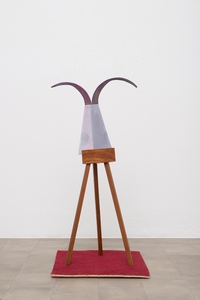 Ana Mazzei Bode (Goat), 2019
Martins & Montero
€4,000
Buy now
-
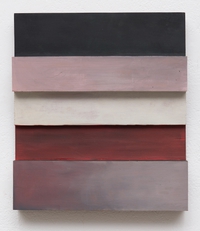 Ana Mazzei Cenário Bandeira, 2021
Martins & Montero
€7,500
Buy now
-
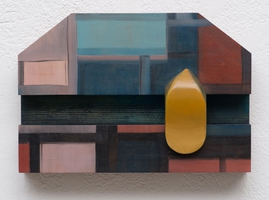 Ana Mazzei Cenário Xadrez, 2021
Martins & Montero
€7,500
Buy now
-
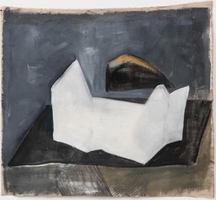 Ana Mazzei Estudos para Fantasmas / Lençol, 2017
Martins & Montero
€3,500
Buy now
-
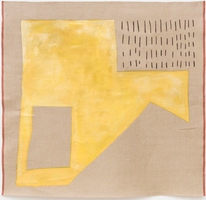 Ana Mazzei Estudos para Fantasmas / Pato, 2017
Martins & Montero
€7,500
Buy now
-
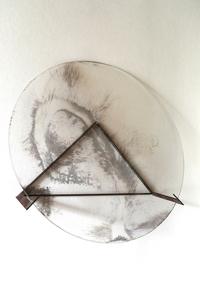 Alexandra Sukhareva Five pronunciation exercises. Glass #1, 2020
Osnova Gallery
€7,000
-
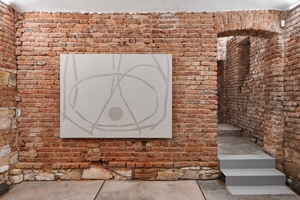 Alexandra Sukhareva Lake, 2021
Osnova Gallery
€18,000
-
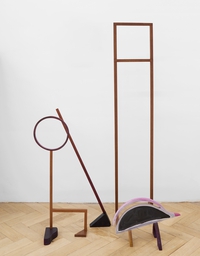 Ana Mazzei Picadeiro I, 2021
Martins & Montero
€12,000
Buy now
-
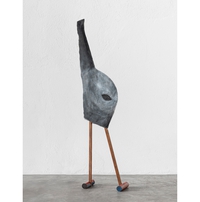 Ana Mazzei Rabbit, 2021
Martins & Montero
€7,000
Buy now
-
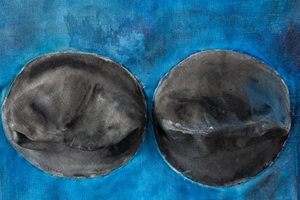 Ana Mazzei Shirt, 2021
Martins & Montero
€7,000
Buy now
-
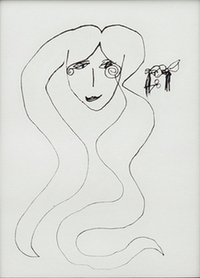 Alexandra Sukhareva Untitled (etching according to the drawing of 1987), 2019
Osnova Gallery
€1,400
-
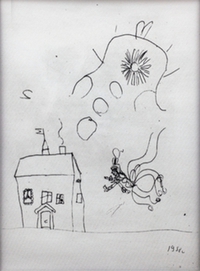 Alexandra Sukhareva Untitled (Etching according to the drawing of 1988), 2019
Osnova Gallery
€1,400
 Alexandra Sukhareva
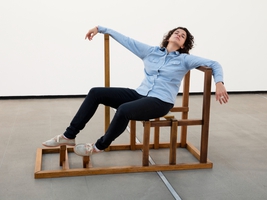 Ana Mazzei