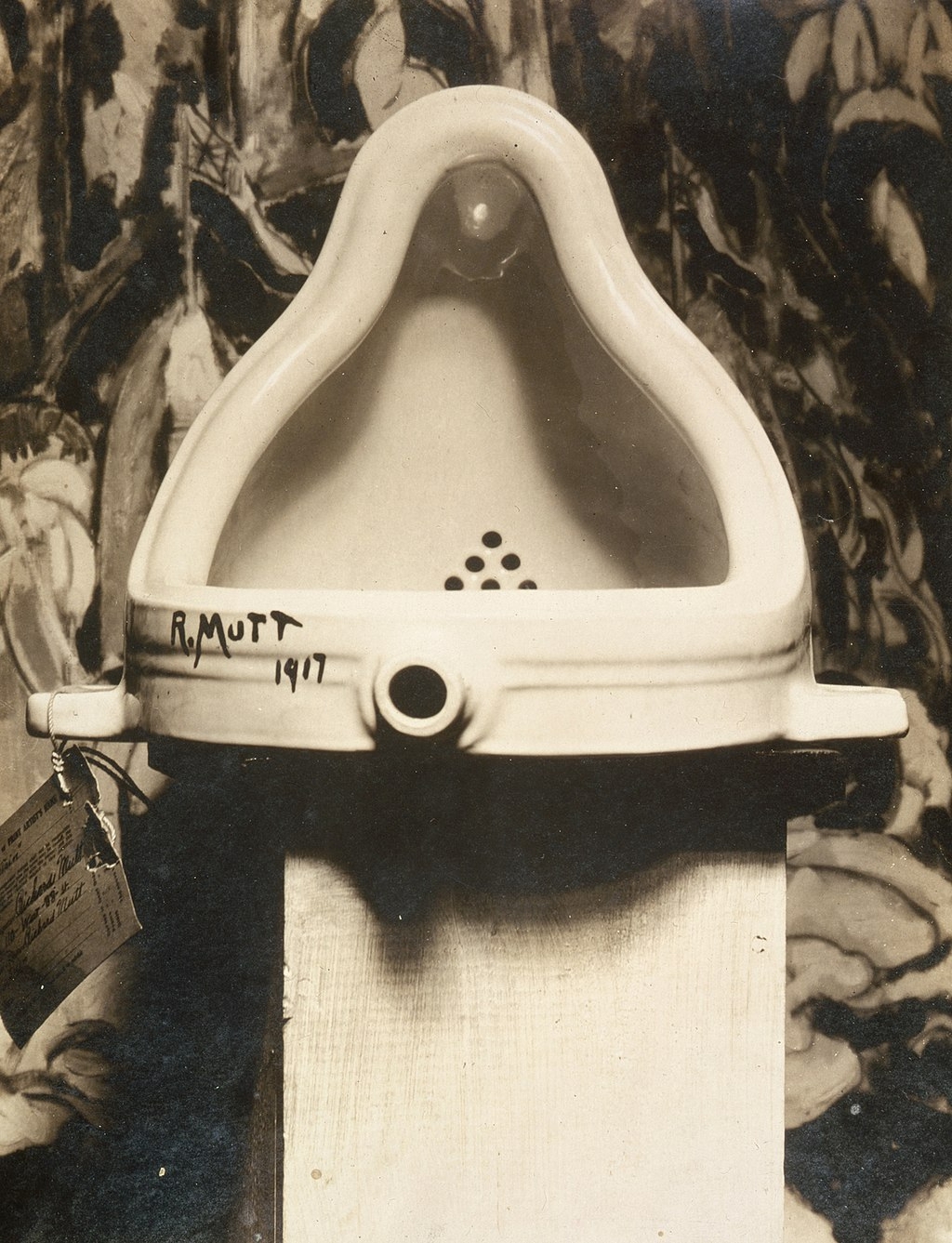
Marcel Duchamp, Fountain, 1917. Photograph by Alfred Stieglitz
Public Domain
Readymade
The readymades of Marcel Duchamp are ordinary manufactured objects that the artist selected and modified, as an antidote to what he called "retinal art". By simply choosing the object (or objects) and repositioning or joining, titling and signing it, the found object became art. Duchamp was not interested in what he called "retinal art"—art that was only visual—and sought other methods of expression. As an antidote to retinal art he began creating readymades in 1914, when the term was commonly used in the United States to describe manufactured items to distinguish them from handmade goods. He selected the pieces on the basis of "visual indifference", and the selections reflect his sense of irony, humor and ambiguity: "...it was always the idea that came first, not the visual example", he said; "...a form of denying the possibility of defining art." The first definition of "readymade" appeared in André Breton and Paul Éluard's Dictionnaire abrégé du Surréalisme: "an ordinary object elevated to the dignity of a work of art by the mere choice of an artist."
Artworks
-
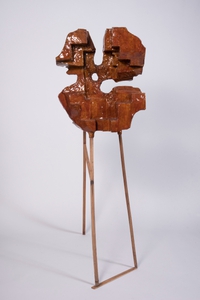 Diego Bianchi ARCHEO Polyestirene, 2012
Galerie Jocelyn Wolff
$13,000
Buy now
-
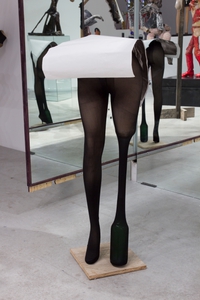 Diego Bianchi bottle leg, 2017
Galerie Jocelyn Wolff
$13,200
Buy now
-
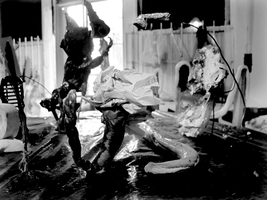 Diego Bianchi Dark landscape on the table, 2011
Galerie Jocelyn Wolff
$1,300
Buy now
-
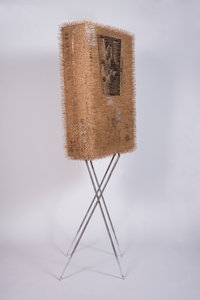 Diego Bianchi hedgehog box, 2016
Galerie Jocelyn Wolff
$15,500
Buy now
-
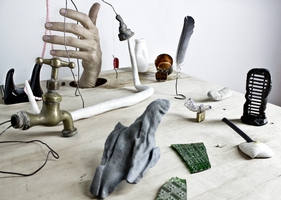 Diego Bianchi Magic hand massaging broken stuff, 2012
Galerie Jocelyn Wolff
$3,300
Buy now
-
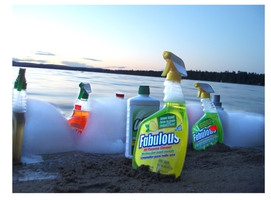 Diego Bianchi Paraiso, 2006
Galerie Jocelyn Wolff
$3,900
Buy now
-
 Diego Bianchi Paraiso, 2006
Galerie Jocelyn Wolff
$3,900
Buy now
-
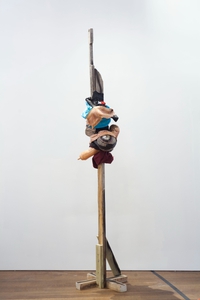 Diego Bianchi Without Title, 2015
Galerie Jocelyn Wolff
$11,000
Buy now
 Diego Bianchi