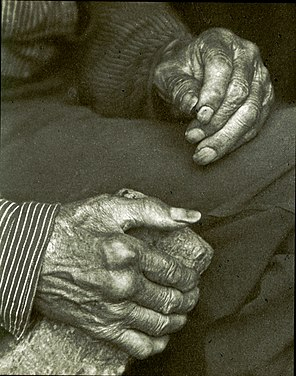
Doris Ulmann. Public Domain
Black-and-White Photography
Monochrome photography is photography where each position on an image can record and show a different amount of light, but not a different hue. It includes all forms of black-and-white photography, which produce images containing shades of neutral grey ranging from black to white. Other hues besides grey, such as sepia, cyan, or brown can also be used in monochrome photography. In the contemporary world, monochrome photography is mostly used for artistic purposes and certain technical imaging applications, rather than for visually accurate reproduction of scenes. Although methods for photographing in color emerged slowly starting in the 1850s, monochrome imagery dominated photography until the mid–twentieth century. From the start, photographic recording processes such as the daguerreotype, the paper negative and the glass collodion negative did not render the color of light (although they were sensitive to some colors more than others). The result was a monochrome image. Until the 1880s, photographic processes used to print negatives — notably the calotype, the salt print and the albumen print — generally produced images with a variety of brown or sepia tones.
Artworks
-
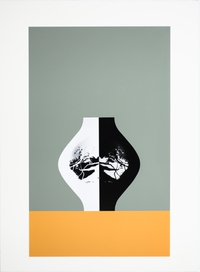 Francisco Tropa Chas, 2017
Galerie Jocelyn Wolff
€5,000
Buy now
-
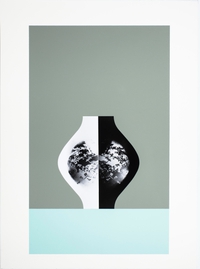 Francisco Tropa Chas, 2017
Galerie Jocelyn Wolff
€5,000
Buy now
-
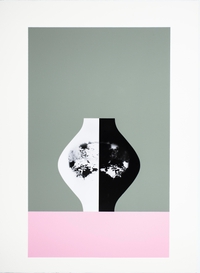 Francisco Tropa Chas, 2017
Galerie Jocelyn Wolff
€5,000
Buy now
-
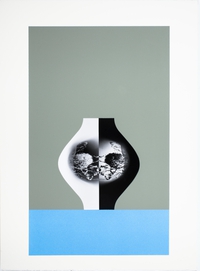 Francisco Tropa Chas, 2017
Galerie Jocelyn Wolff
€5,000
Buy now
-
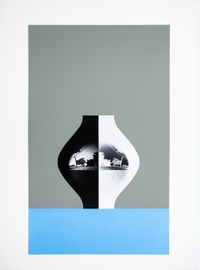 Francisco Tropa Chas, 2017
Galerie Jocelyn Wolff
€5,000
Buy now
-
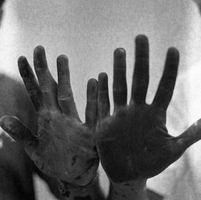 Juan Carlos Alom Graffitti hands, 2019
El Apartamento
$4,500
Buy now
-
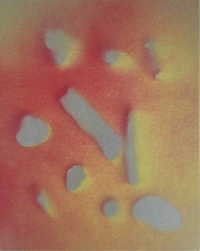 Francisco Tropa La moustache cachée dans la barbe, 2018
Galerie Jocelyn Wolff
€2,000
Buy now
-
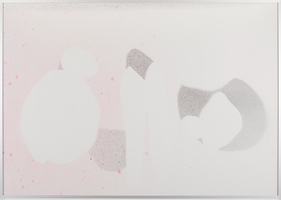 Francisco Tropa Le songe de Scipion, 2015
Galerie Jocelyn Wolff
€4,500
Buy now
-
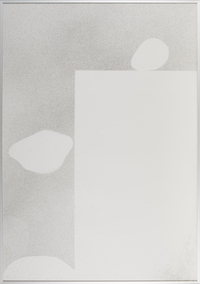 Francisco Tropa Le songe de Scipion, 2015
Galerie Jocelyn Wolff
€4,500
Buy now
-
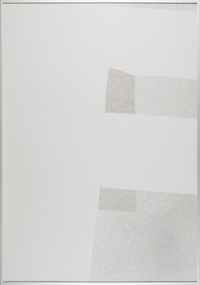 Francisco Tropa Le songe de Scipion, 2015
Galerie Jocelyn Wolff
€4,500
Buy now
-
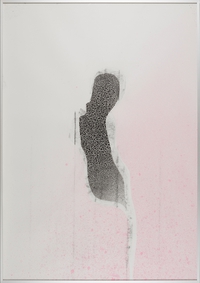 Francisco Tropa Le songe de Scipion, 2015
Galerie Jocelyn Wolff
€4,500
Buy now
-
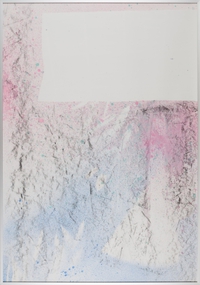 Francisco Tropa Le songe de Scipion, 2015
Galerie Jocelyn Wolff
€4,500
Buy now
-
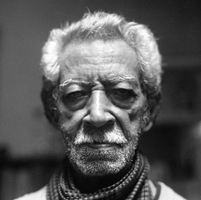 Juan Carlos Alom Mi tío Zoylo a los 95 años, 2019
El Apartamento
$4,500
Buy now
-
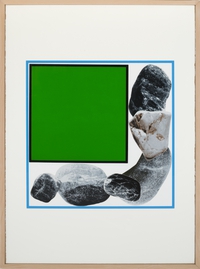 Francisco Tropa Panta Rhei, 2016
Galerie Jocelyn Wolff
€5,000
Buy now
-
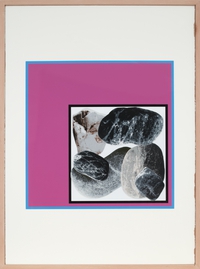 Francisco Tropa Panta Rhei, 2016
Galerie Jocelyn Wolff
€5,000
Buy now
-
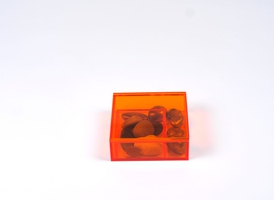 Francisco Tropa Panta Rhei, 2015
Galerie Jocelyn Wolff
€3,300
Buy now
-
 Juan Carlos Alom Puño de Tigre, 2010
El Apartamento
$4,500
Buy now
-
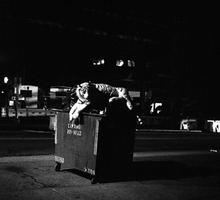 Juan Carlos Alom Sin título, 2019
El Apartamento
$4,500
Buy now
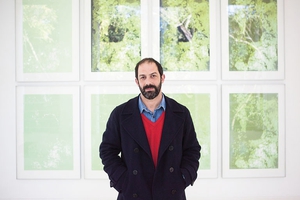 Francisco Tropa
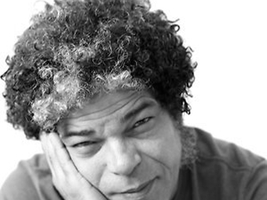 Juan Carlos Alom