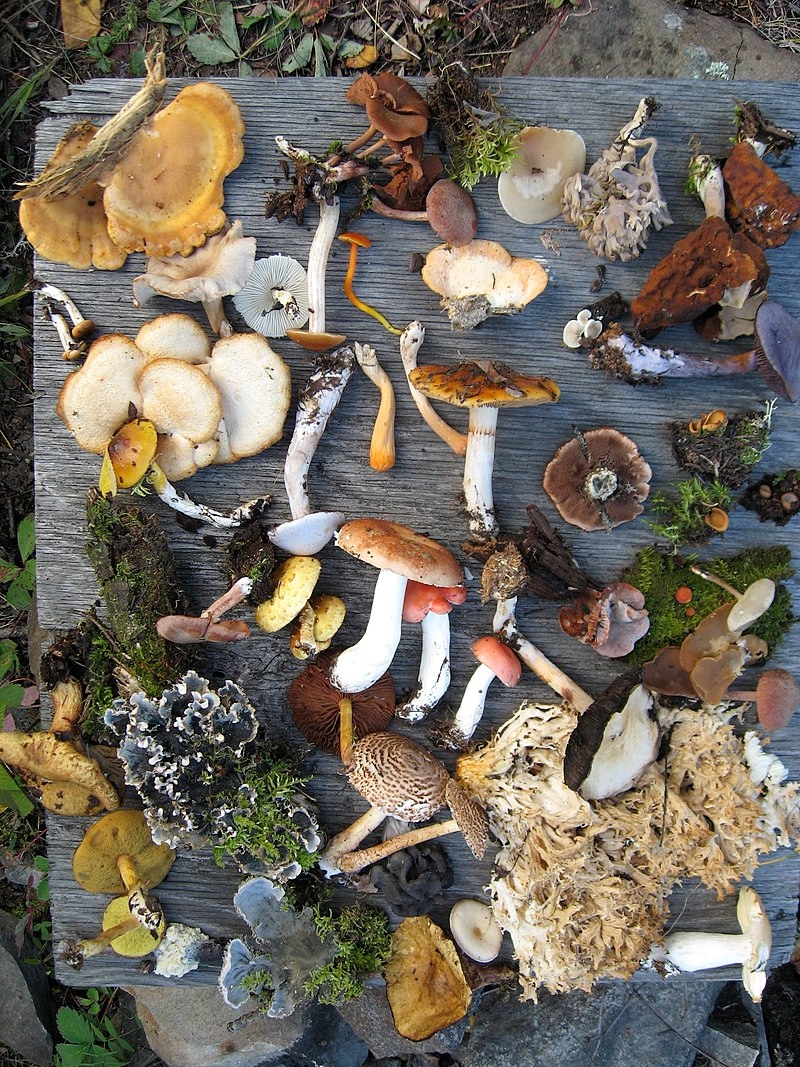
Biodiversity
Biodiversity is the biological variety and variability of life on Earth. Biodiversity is a measure of variation at the genetic, species, and ecosystem level. Terrestrial biodiversity is usually greater near the equator, which is the result of the warm climate and high primary productivity. Biodiversity is not distributed evenly on Earth, and is richer in the tropics. These tropical forest ecosystems cover less than ten percent of earth's surface, and contain about ninety percent of the world's species. Marine biodiversity is usually higher along coasts in the Western Pacific, where sea surface temperature is highest, and in the mid-latitudinal band in all oceans. There are latitudinal gradients in species diversity. Biodiversity generally tends to cluster in hotspots, and has been increasing through time, but will be likely to slow in the future as a primary result of deforestation. It encompasses the evolutionary, ecological, and cultural processes that sustain life. Rapid environmental changes typically cause mass extinctions. More than 99.9 percent of all species that ever lived on Earth, amounting to over five billion species, are estimated to be extinct. Estimates on the number of Earth's current species range from 10 million to 14 million, of which about 1.2 million have been documented and over 86 percent have not yet been described. In 2020, the fifth edition of the UN's Global Biodiversity Outlook report, which served as a “final report card” for the Aichi Biodiversity Targets, a series of 20 objectives set out in 2010, at the beginning of the UN's Decade on Biodiversity, most of which were supposed to be reached by the end of the year 2020, stated that none of the targets – which concern the safeguarding of ecosystems, and the promotion of sustainability – have been fully met.
Artworks
-
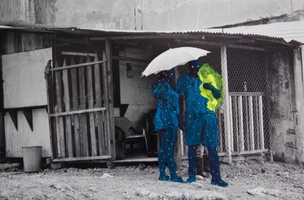 Adriana Ciudad Abuela Santana ¿porqué llora el niño?, 2018
Crisis
$1,800
-
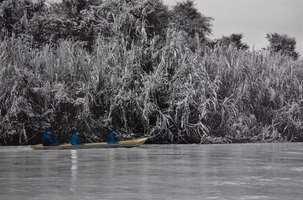 Adriana Ciudad A la orilla de la corriente, 2018
Crisis
$1,800
-
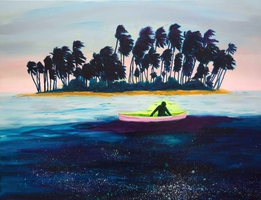 Adriana Ciudad A la tierra del olvido, 2018
Crisis
$7,000
-
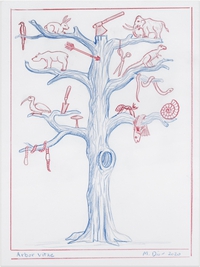 Mark Dion Arbor Vitae, 2020
In Situ - fabienne leclerc
€4,000
Sold
-
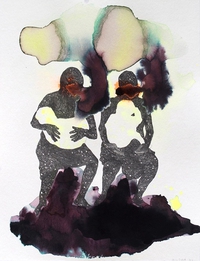 Adriana Ciudad A veinte soles de distancia #4, 2016
Crisis
$1,200
-
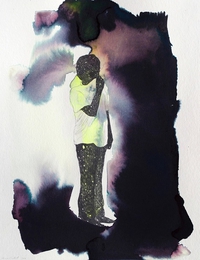 Adriana Ciudad A veinte soles de distancia #5, 2016
Crisis
$1,200
-
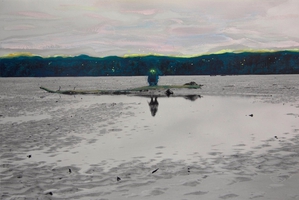 Adriana Ciudad Ay alma, cuando te vayas, al cuerpo dale mano, 2018
Crisis
$1,800
-
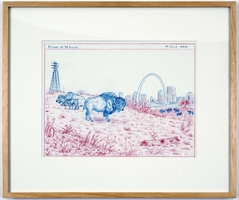 Mark Dion Bison of St. Louis, 2010
In Situ - fabienne leclerc
€4,000
Buy now
-
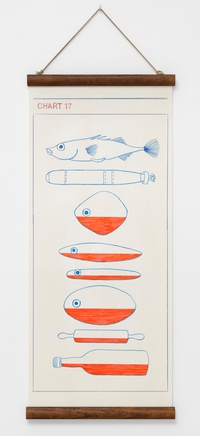 Mark Dion Chart 17, 2020
In Situ - fabienne leclerc
€6,500
Sold
-
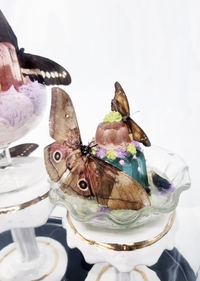 Mark Dion Confectionary Curiosity, 2024
In Situ - fabienne leclerc
€25,000
Buy now
-
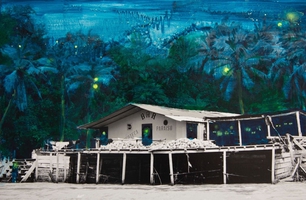 Adriana Ciudad Dejemos la tierra, vámonos allá, 2018
Crisis
$1,800
-
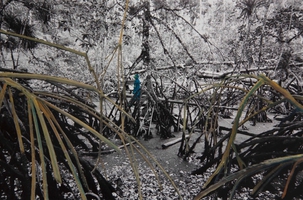 Adriana Ciudad Haz que tenga venturosa suerte, ahora y a la hora de mi muerte, 2018
Crisis
$1,800
-
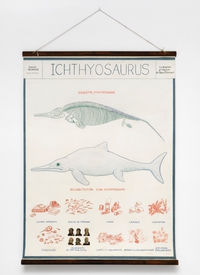 Mark Dion Ichthyosaurus, 2003
In Situ - fabienne leclerc
€17,000
Buy now
-
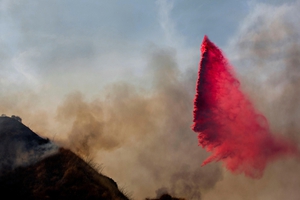 Anna Vogel Ignifer XXXII, 2024
Sperling
€3,200
Buy now
-
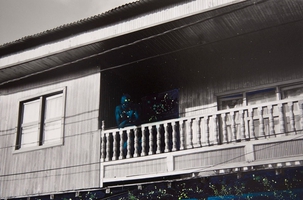 Adriana Ciudad No volverán mis ojos a mirarte, 2018
Crisis
$1,800
-
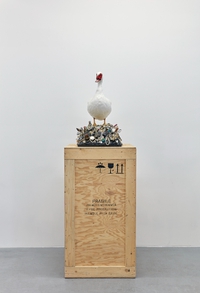 Mark Dion Portrait of The Curator, 2019
In Situ - fabienne leclerc
€50,000
Buy now
-
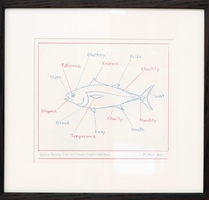 Mark Dion Seven Deadly Sins and Seven Capital Virtues, 2023
In Situ - fabienne leclerc
€3,500
Buy now
-
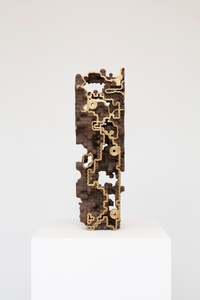 Nicholas Mangan Termite Economies Phase 3, 2020
LABOR
$15,000
-
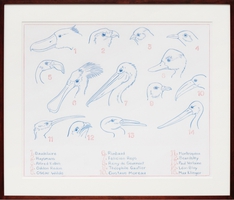 Mark Dion The Decadents, 2021
In Situ - fabienne leclerc
€6,000
Buy now
-
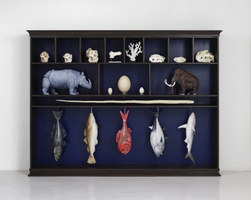 Mark Dion The Extinction Cabinet, 2021
In Situ - fabienne leclerc
€130,000
Buy now
-
 Mark Dion The Medecine Cabinet of Mystery, 2013-2019
In Situ - fabienne leclerc
€35,000
Buy now
-
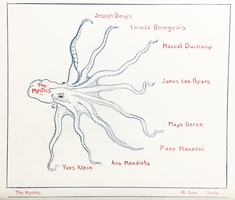 Mark Dion The Mystics, 2020
In Situ - fabienne leclerc
€4,000
Sold
-
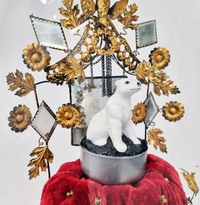 Mark Dion The Polar Bride, 2024
In Situ - fabienne leclerc
€25,000
Buy now
-
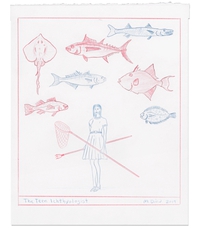 Mark Dion The Teen Ichthyologist, 2019
In Situ - fabienne leclerc
€3,500
Buy now
-
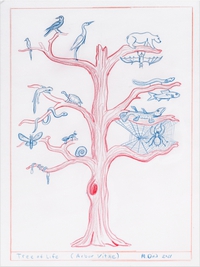 Mark Dion Tree of Life (Arbor Vitae), 2021
In Situ - fabienne leclerc
€4,000
Sold
 Adriana Ciudad
 Mark Dion
 Nicolas Floc'h