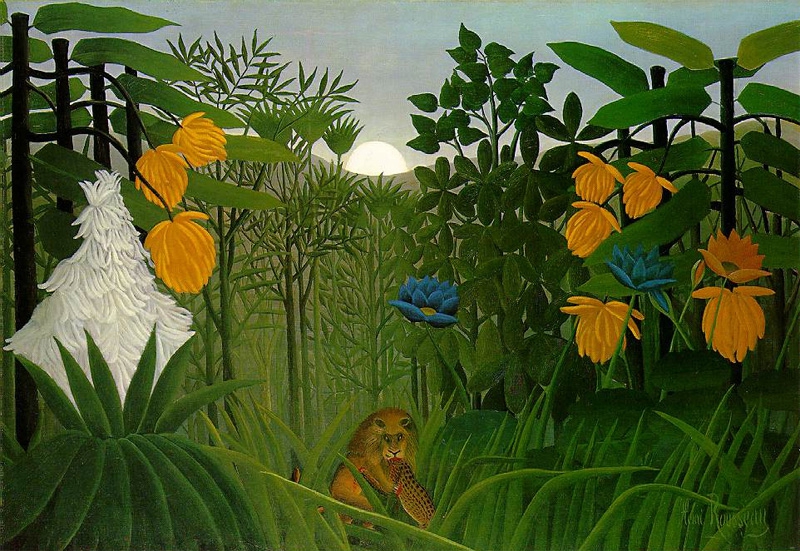
Henri-Julien-Félix Rousseau, Public Domain
Naïve Art
Naïve art is usually defined as visual art that is created by a person who lacks the formal education and training that a professional artist undergoes (in anatomy, art history, technique, perspective, ways of seeing). When this aesthetic is emulated by a trained artist, the result is sometimes called primitivism, pseudo-naïve art, or faux naïve art.
Unlike folk art, naïve art does not necessarily derive from a distinct popular cultural context or tradition; indeed, at least in the advanced economies and since the Printing Revolution, awareness of the local fine art tradition has been inescapable, as it diffused through popular prints and other media. Naïve art is recognized, and often imitated, for its childlike simplicity and frankness. Paintings of this kind typically have a flat rendering style with a rudimentary expression of perspective. One particularly influential painter of "naïve art" was Henri Rousseau (1844–1910), a French Post-Impressionist who was discovered by Pablo Picasso
Artworks
-
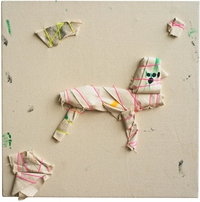 Misaki Kawai Camel Travel, 2014
Take Ninagawa
$3,500
-
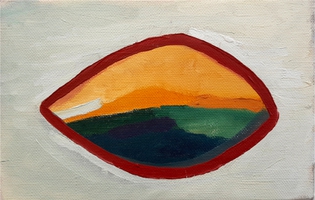 We Are The Painters Etudes de Bouche Céleste B, 2018
In Situ - fabienne leclerc
€1,200
Buy now
-
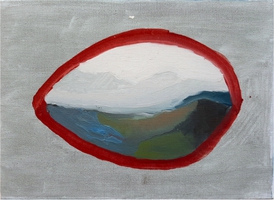 We Are The Painters Etudes de Bouche Céleste C, 2018
In Situ - fabienne leclerc
€1,200
Buy now
-
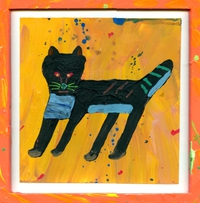 Misaki Kawai Feisty Fellow, 2009
Take Ninagawa
$1,000
-
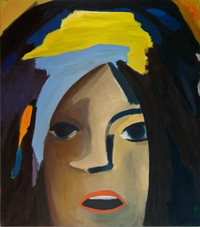 We Are The Painters Grand Portrait, 2019
In Situ - fabienne leclerc
€7,000
Buy now
-
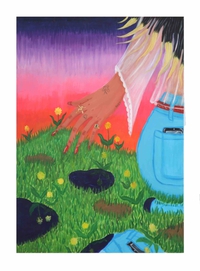 Alejandra Hernández I feel the cold morning breeze and the wet grass under my fingers, still, I wonder why you’re not here with me, 2020
Laveronica
€5,000
Buy now
-
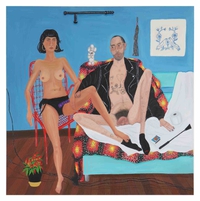 Alejandra Hernández Juan and Sara, 2019
Laveronica
€13,000
Buy now
-
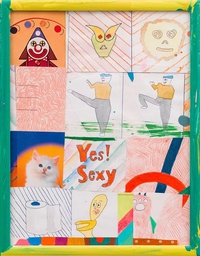 Misaki Kawai Kitty Circus, 2009
Take Ninagawa
$1,200
-
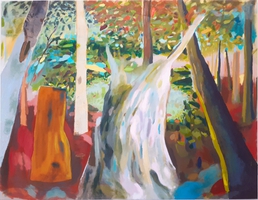 We Are The Painters La Forêt, 2021
In Situ - fabienne leclerc
€10,000
Buy now
-
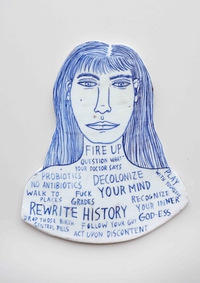 Alejandra Hernández Manifesting Intentions - #5, 2018
Laveronica
€3,000
Buy now
-
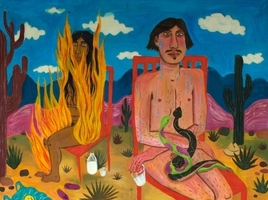 Alejandra Hernández Milk and snakes, 2018
Laveronica
€5,000
Buy now
-
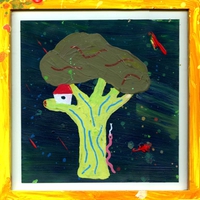 Misaki Kawai Outdoor Neighbors, 2009
Take Ninagawa
$1,000
-
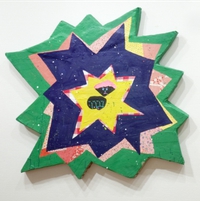 Misaki Kawai Poppy Punch, 2010
Take Ninagawa
$5,500
-
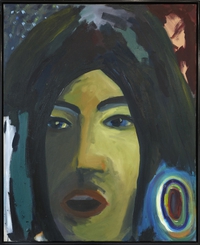 We Are The Painters Portrait (Voodoo Child), 2019
In Situ - fabienne leclerc
€5,000
Buy now
-
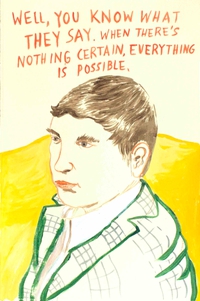 Alejandra Hernández Possibilities, 2018
Laveronica
€1,300
Buy now
-
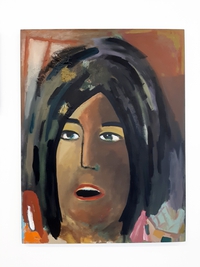 We Are The Painters Sans titre, 2019
In Situ - fabienne leclerc
€4,000
Buy now
-
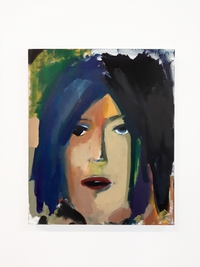 We Are The Painters Sans titre, 2019
In Situ - fabienne leclerc
€4,000
Buy now
-
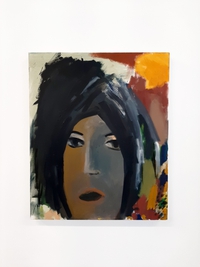 We Are The Painters Sans titre, 2019
In Situ - fabienne leclerc
€4,000
Buy now
-
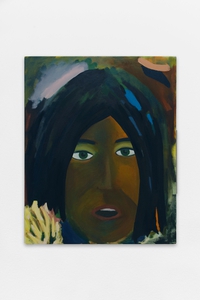 We Are The Painters Sans titre, 2019
In Situ - fabienne leclerc
€4,000
Buy now
-
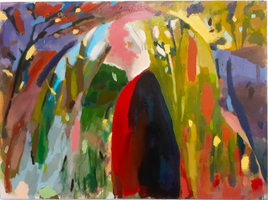 We Are The Painters Sans titre, 2021
In Situ - fabienne leclerc
€4,500
Buy now
-
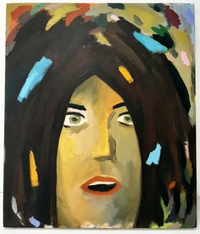 We Are The Painters Sans titre, 2019
In Situ - fabienne leclerc
€4,000
Buy now
-
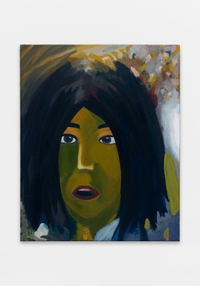 We Are The Painters Sans titre, 2019
In Situ - fabienne leclerc
€4,000
Buy now
-
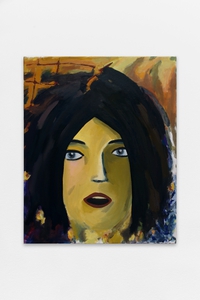 We Are The Painters Sans Titre, 2019
In Situ - fabienne leclerc
€4,000
Buy now
-
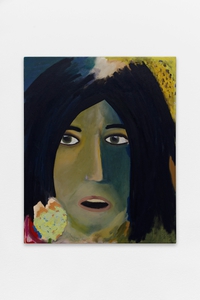 We Are The Painters Sans Titre, 2019
In Situ - fabienne leclerc
€4,000
Buy now
-
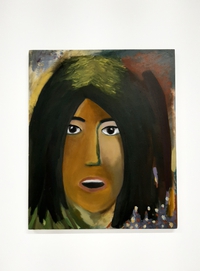 We Are The Painters Sans Titre, 2019
In Situ - fabienne leclerc
€4,000
Buy now
-
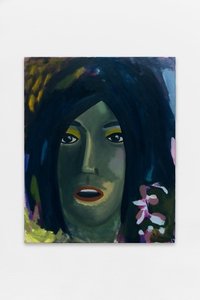 We Are The Painters Sans Titre, 2019
In Situ - fabienne leclerc
€4,000
Buy now
-
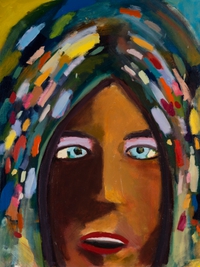 We Are The Painters Sans Titre (de la série des portraits), 2020
In Situ - fabienne leclerc
€4,000
Buy now
-
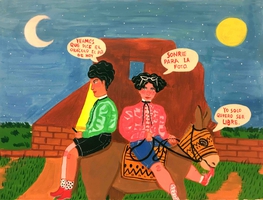 Alejandra Hernández Ser libre, 2018
Laveronica
€2,500
Buy now
-
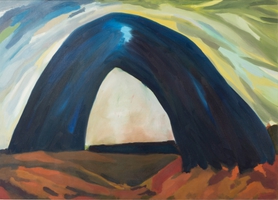 We Are The Painters She Looks Like A Mountain (Bleu), 2019
In Situ - fabienne leclerc
€5,000
Buy now
-
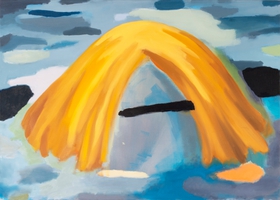 We Are The Painters SheLooksLikeAMountain (Jaune), 2019
In Situ - fabienne leclerc
€5,000
Buy now
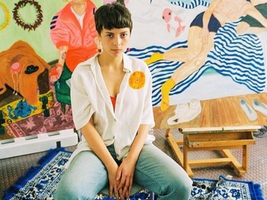 Alejandra Hernández
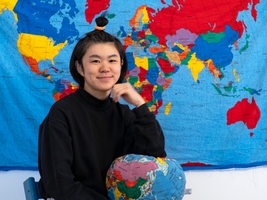 Misaki Kawai
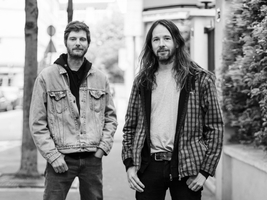 We Are The Painters