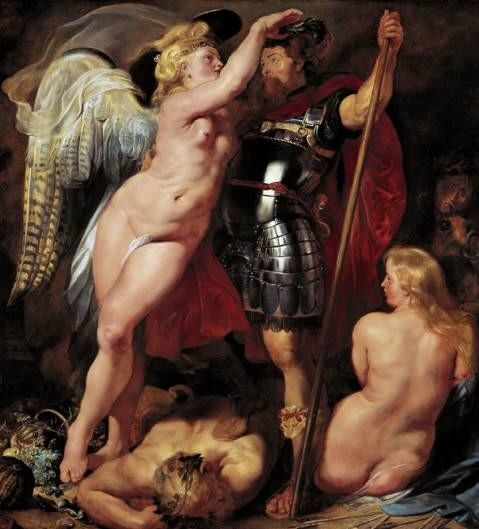
Peter Paul Rubens, Public Domain
Machismo
Machismo (from Spanish and Portuguese "macho", male) is the sense of being "manly" and self-reliant, the concept associated with "a strong sense of masculine pride: an exaggerated masculinity". It is associated with "a man's responsibility to provide for, protect, and defend his family". Machismo is strongly and consistently associated with dominance, aggression, exhibition, and nurturance. The correlation to machismo is found to be deeply rooted in family dynamics and culture. The word macho has a long history in both Spain and Portugal as well as in Spanish and Portuguese languages. It was originally associated with the ideal societal role men were expected to play in their communities, most particularly, Iberian language-speaking societies and countries. Macho in Portuguese and Spanish is a strictly masculine term, derived from the Latin mascŭlus, meaning "male". Machos in Iberian-descended cultures are expected to possess and display bravery, courage, and strength as well as wisdom and leadership, and ser macho (literally, "to be a macho") was an aspiration for all boys.
Artworks
-
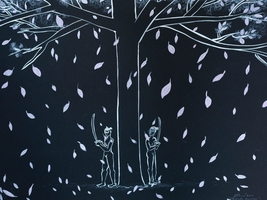 Rocío García El duelo samurái, 2019
El Apartamento
$3,000
Buy now
-
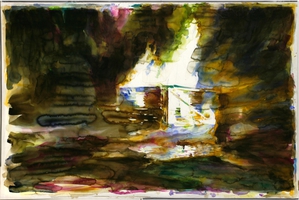 Martin Dammann Hutte, 2009
In Situ - fabienne leclerc
€22,000
Buy now
-
 Rocío García Los elegidos, from the series Beliki tuman, 2019
El Apartamento
$18,000
Buy now
-
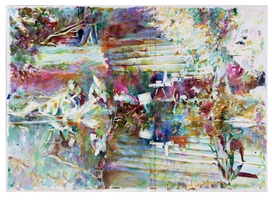 Martin Dammann Oberflachenspannung, 2018
In Situ - fabienne leclerc
€29,000
Buy now
-
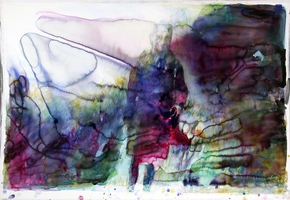 Martin Dammann Schmetterling, 2014
In Situ - fabienne leclerc
€22,000
Buy now
-
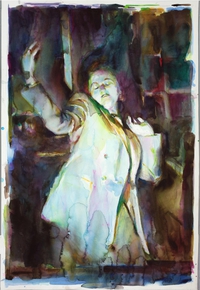 Martin Dammann Sclaglicht, 2016
In Situ - fabienne leclerc
€18,000
Buy now
-
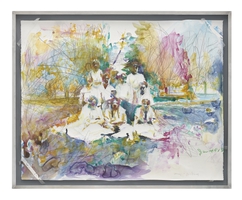 Martin Dammann Taking a picture, 2019
In Situ - fabienne leclerc
€14,500
Buy now
-
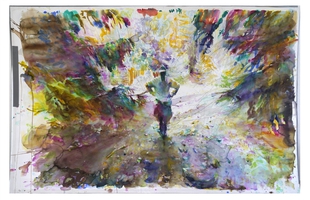 Martin Dammann Vater, 2021
In Situ - fabienne leclerc
€27,500
Buy now
-
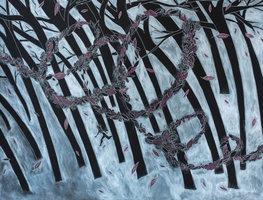 Rocío García Viento, 2019
El Apartamento
$3,000
Buy now
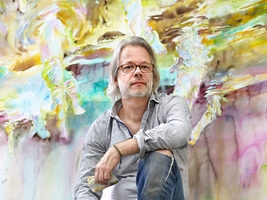 Martin Dammann
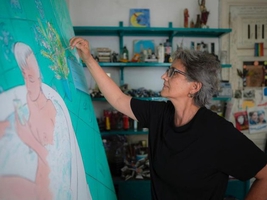 Rocío García