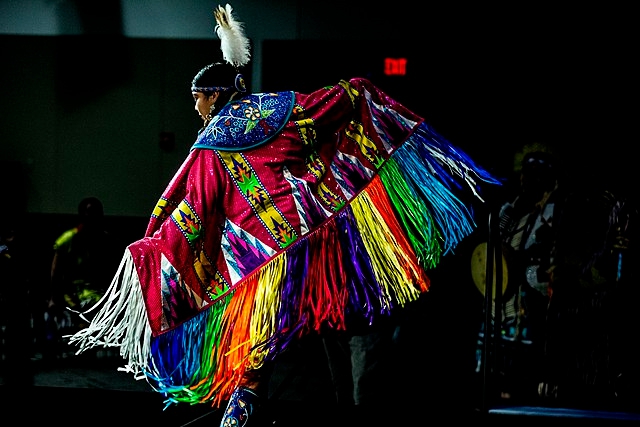
COD Newsroom, CC BY 2.0
Indigenous Peoples
Indigenous peoples, also referred to as first peoples, First Nations, Aboriginal peoples, Native peoples, or Autochthonous peoples (these terms are capitalized when referring to specific Indigenous peoples as ethnic groups, nations, and the members of these groups), are culturally distinct ethnic groups who are directly descended from the earliest known inhabitants of a particular geographic region, and who to some extent maintain the language and culture of those original peoples. The term Indigenous was first, in its modern context, used by Europeans, who used it to differentiate the Indigenous peoples of the Americas from the European settlers, and the African Americans who were brought to the Americas due to enslavement, or who immigrated as free people. The term may have first been used in this context by Sir Thomas Browne in 1646, who stated "and although in many parts thereof there be at present swarms of Negroes serving under the Spaniard, yet were they all transported from Africa, since the discovery of Columbus; and are not indigenous or proper natives of America.
Peoples are usually described as "Indigenous" when they maintain traditions or other aspects of an early culture that is associated with the first inhabitants of a given region. Not all indigenous peoples share this characteristic, as many have adopted substantial elements of a colonizing culture, such as dress, religion or language. Indigenous peoples may be settled in a given region (sedentary), exhibit a nomadic lifestyle across a large territory, or resettled, but they are generally historically associated with a specific territory on which they depend. Indigenous societies are found in every inhabited climate zone and continent of the world except Antarctica. It is estimated that there are approximately five thousand Indigenous nations throughout the world.
Artworks
-
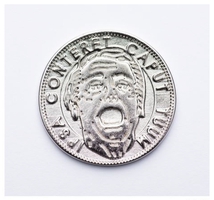 André Parente 1 Bolsominion, 2020
Martins & Montero
Buy now
-
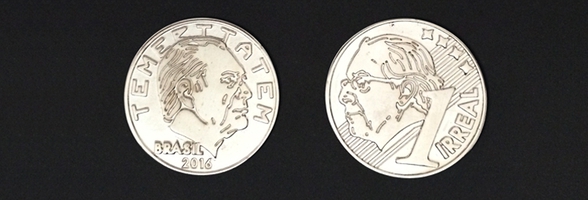 André Parente 1 Irreal, 2016
Martins & Montero
€300
Buy now
-
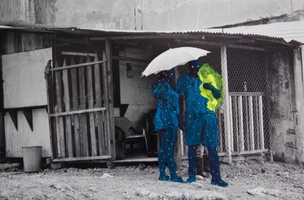 Adriana Ciudad Abuela Santana ¿porqué llora el niño?, 2018
Crisis
$1,800
-
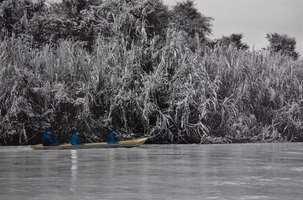 Adriana Ciudad A la orilla de la corriente, 2018
Crisis
$1,800
-
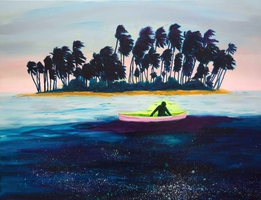 Adriana Ciudad A la tierra del olvido, 2018
Crisis
$7,000
-
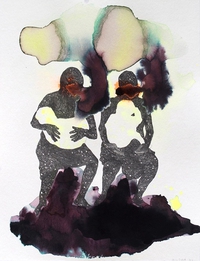 Adriana Ciudad A veinte soles de distancia #4, 2016
Crisis
$1,200
-
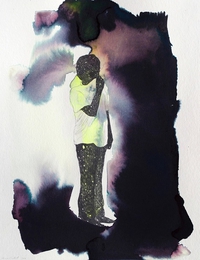 Adriana Ciudad A veinte soles de distancia #5, 2016
Crisis
$1,200
-
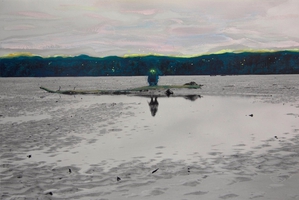 Adriana Ciudad Ay alma, cuando te vayas, al cuerpo dale mano, 2018
Crisis
$1,800
-
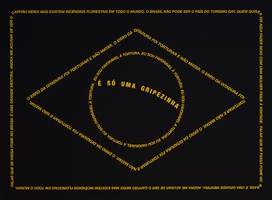 André Parente Bandalha #4, 2020
Martins & Montero
€800
Buy now
-
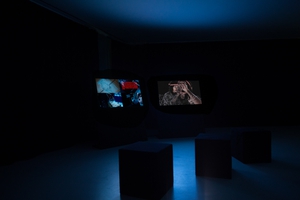 Mario Pfeifer #blacktivist, 2015
KOW
€19,040
Buy now
-
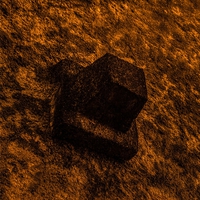 André Parente Contenção, 2018
Martins & Montero
€1,800
Buy now
-
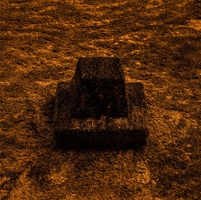 André Parente Contenção, 2018
Martins & Montero
€1,800
Buy now
-
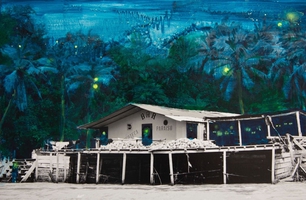 Adriana Ciudad Dejemos la tierra, vámonos allá, 2018
Crisis
$1,800
-
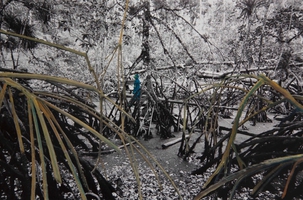 Adriana Ciudad Haz que tenga venturosa suerte, ahora y a la hora de mi muerte, 2018
Crisis
$1,800
-
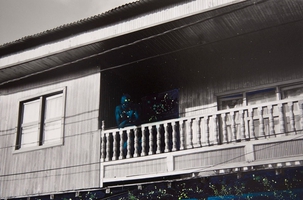 Adriana Ciudad No volverán mis ojos a mirarte, 2018
Crisis
$1,800
-
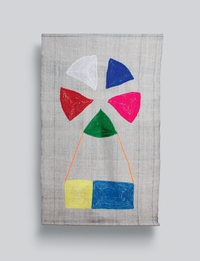 Mario Pfeifer Untitled [population by age], 2014
KOW
€11,900
Buy now
-
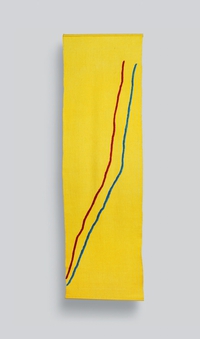 Mario Pfeifer Untitled [population by gender], 2014
KOW
€11,900
Buy now
-
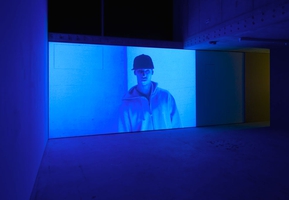 Mario Pfeifer Untitled (Two Guys), 2008
KOW
€14,280
Buy now
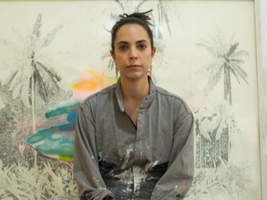 Adriana Ciudad
 André Parente
 Anna Hulačová
 Mario Pfeifer