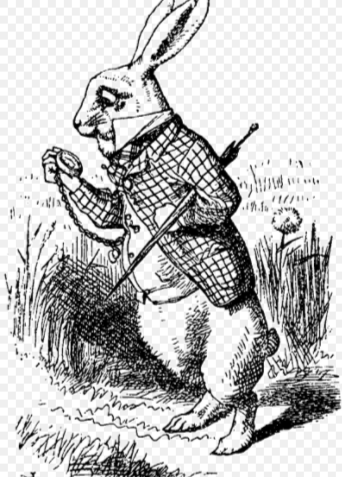
John Tenniel, Public Domain
Anthropomorphism
Anthropomorphism is the attribution of human traits, emotions, or intentions to non-human entities. It is considered to be an innate tendency of human psychology. Personification is the related attribution of human form and characteristics to abstract concepts such as nations, emotions, and natural forces, such as seasons and weather. Both have ancient roots as storytelling and artistic devices, and most cultures have traditional fables with anthropomorphized animals as characters. People have also routinely attributed human emotions and behavioral traits to wild as well as domesticated animals. From the beginnings of human behavioral modernity in the Upper Paleolithic, about 40,000 years ago, examples of zoomorphic (animal-shaped) works of art occur that may represent the earliest known evidence of anthropomorphism. One of the oldest known is an ivory sculpture, the Löwenmensch figurine, Germany, a human-shaped figurine with the head of a lioness or lion, determined to be about 32,000 years old. It is not possible to say what these prehistoric artworks represent. A more recent example is The Sorcerer, an enigmatic cave painting from the Trois-Frères Cave, Ariège, France: the figure's significance is unknown, but it is usually interpreted as some kind of great spirit or master of the animals. In either case there is an element of anthropomorphism.
Artworks
-
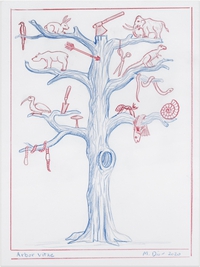 Mark Dion Arbor Vitae, 2020
In Situ - fabienne leclerc
€4,000
Sold
-
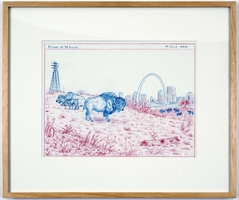 Mark Dion Bison of St. Louis, 2010
In Situ - fabienne leclerc
€4,000
Buy now
-
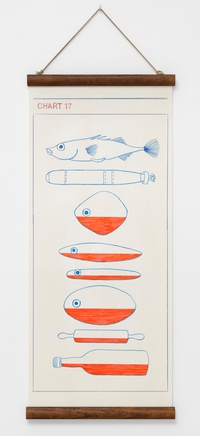 Mark Dion Chart 17, 2020
In Situ - fabienne leclerc
€6,500
Sold
-
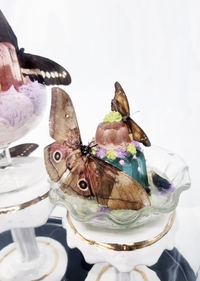 Mark Dion Confectionary Curiosity, 2024
In Situ - fabienne leclerc
€25,000
Buy now
-
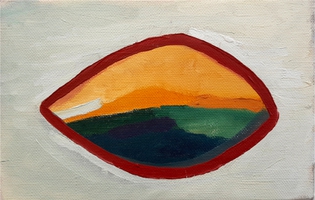 We Are The Painters Etudes de Bouche Céleste B, 2018
In Situ - fabienne leclerc
€1,200
Buy now
-
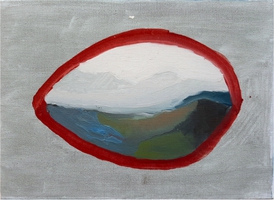 We Are The Painters Etudes de Bouche Céleste C, 2018
In Situ - fabienne leclerc
€1,200
Buy now
-
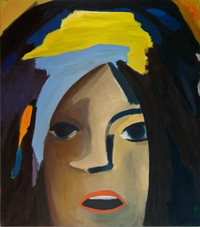 We Are The Painters Grand Portrait, 2019
In Situ - fabienne leclerc
€7,000
Buy now
-
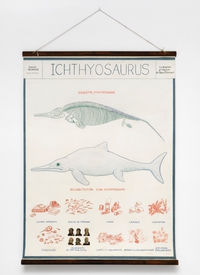 Mark Dion Ichthyosaurus, 2003
In Situ - fabienne leclerc
€17,000
Buy now
-
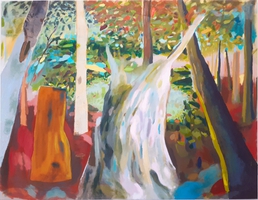 We Are The Painters La Forêt, 2021
In Situ - fabienne leclerc
€10,000
Buy now
-
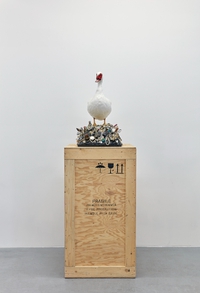 Mark Dion Portrait of The Curator, 2019
In Situ - fabienne leclerc
€50,000
Buy now
-
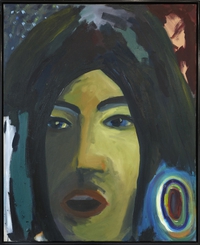 We Are The Painters Portrait (Voodoo Child), 2019
In Situ - fabienne leclerc
€5,000
Buy now
-
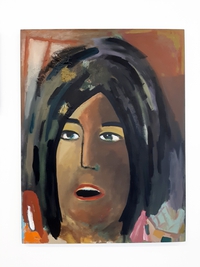 We Are The Painters Sans titre, 2019
In Situ - fabienne leclerc
€4,000
Buy now
-
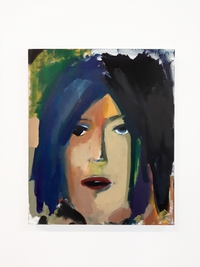 We Are The Painters Sans titre, 2019
In Situ - fabienne leclerc
€4,000
Buy now
-
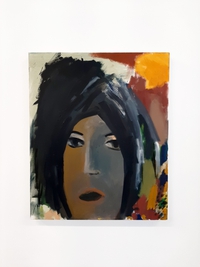 We Are The Painters Sans titre, 2019
In Situ - fabienne leclerc
€4,000
Buy now
-
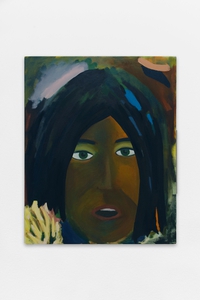 We Are The Painters Sans titre, 2019
In Situ - fabienne leclerc
€4,000
Buy now
-
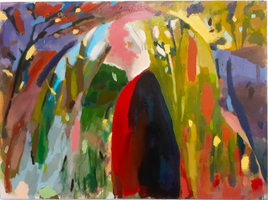 We Are The Painters Sans titre, 2021
In Situ - fabienne leclerc
€4,500
Buy now
-
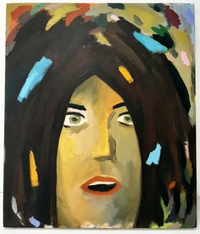 We Are The Painters Sans titre, 2019
In Situ - fabienne leclerc
€4,000
Buy now
-
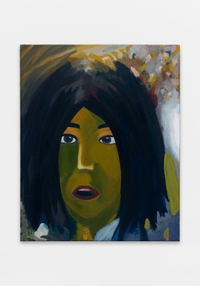 We Are The Painters Sans titre, 2019
In Situ - fabienne leclerc
€4,000
Buy now
-
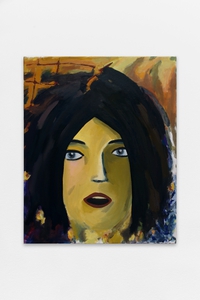 We Are The Painters Sans Titre, 2019
In Situ - fabienne leclerc
€4,000
Buy now
-
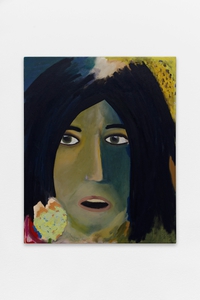 We Are The Painters Sans Titre, 2019
In Situ - fabienne leclerc
€4,000
Buy now
-
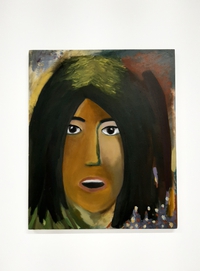 We Are The Painters Sans Titre, 2019
In Situ - fabienne leclerc
€4,000
Buy now
-
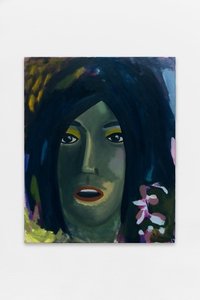 We Are The Painters Sans Titre, 2019
In Situ - fabienne leclerc
€4,000
Buy now
-
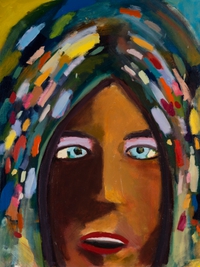 We Are The Painters Sans Titre (de la série des portraits), 2020
In Situ - fabienne leclerc
€4,000
Buy now
-
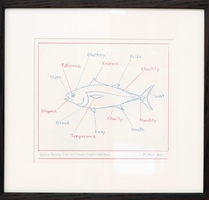 Mark Dion Seven Deadly Sins and Seven Capital Virtues, 2023
In Situ - fabienne leclerc
€3,500
Buy now
-
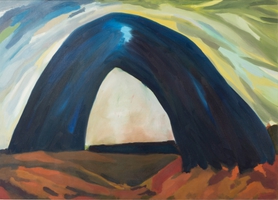 We Are The Painters She Looks Like A Mountain (Bleu), 2019
In Situ - fabienne leclerc
€5,000
Buy now
-
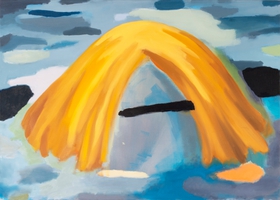 We Are The Painters SheLooksLikeAMountain (Jaune), 2019
In Situ - fabienne leclerc
€5,000
Buy now
-
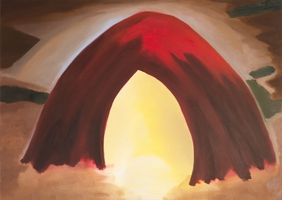 We Are The Painters SheLooksLikeAMountain (Rouge), 2019
In Situ - fabienne leclerc
€5,000
Buy now
-
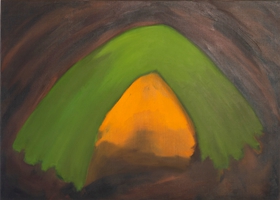 We Are The Painters SheLooksLikeAMountain (Vert), 2019
In Situ - fabienne leclerc
€5,000
Buy now
-
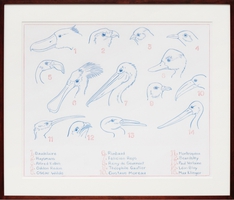 Mark Dion The Decadents, 2021
In Situ - fabienne leclerc
€6,000
Buy now
-
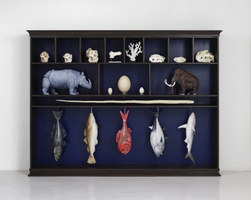 Mark Dion The Extinction Cabinet, 2021
In Situ - fabienne leclerc
€130,000
Buy now
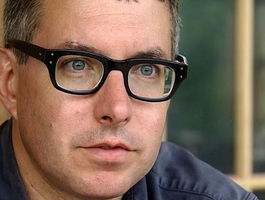 Mark Dion
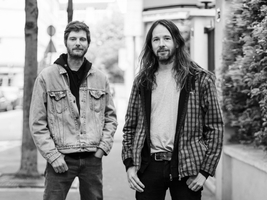 We Are The Painters