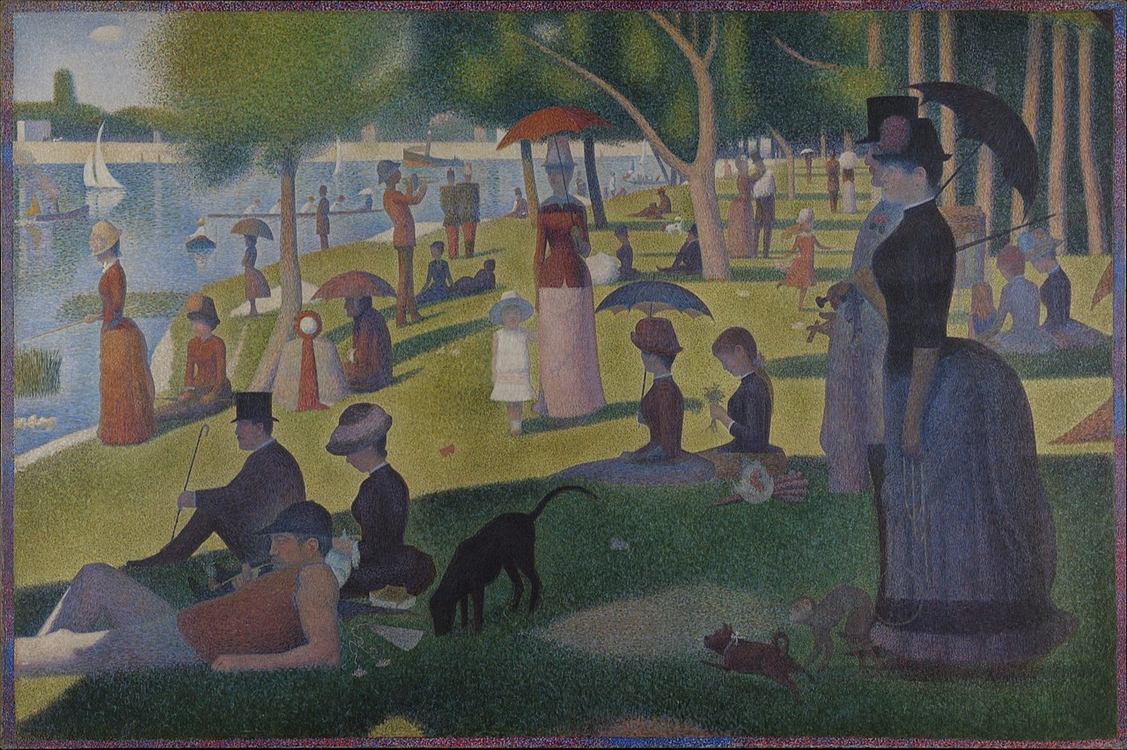
Georges Seurat, Public Domain
Neo-Impressionism
Neo-Impressionism is a term coined by French art critic Félix Fénéon in 1886 to describe an art movement founded by Georges Seurat. Seurat's most renowned masterpiece, A Sunday Afternoon on the Island of La Grande Jatte, marked the beginning of this movement when it first made its appearance at an exhibition of the Société des Artistes Indépendants (Salon des Indépendants) in Paris. Around this time, the peak of France's modern era emerged and many painters were in search of new methods. Followers of Neo-Impressionism, in particular, were drawn to modern urban scenes as well as landscapes and seashores. Science-based interpretation of lines and colors influenced Neo-Impressionists' characterization of their own contemporary art. The Pointillist and Divisionist techniques are often mentioned in this context, because they were the dominant techniques in the beginning of the Neo-impressionist movement. Some argue that Neo-Impressionism became the first true avant-garde movement in painting. The Neo-Impressionists were able to create a movement very quickly in the 19th century, partially due to its strong connection to anarchism, which set a pace for later artistic manifestations.
Artworks
-
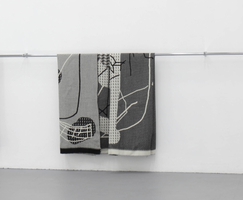 Jessica Andrey Bogush Black carpet, 2017
Osnova Gallery
€4,500
-
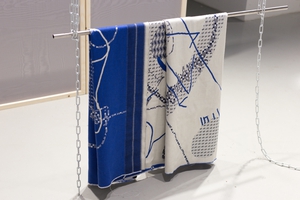 Jessica Andrey Bogush Blue carpet, 2017
Osnova Gallery
€4,500
-
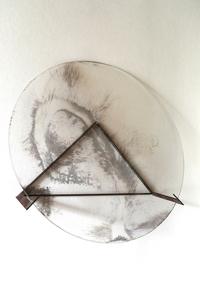 Alexandra Sukhareva Five pronunciation exercises. Glass #1, 2020
Osnova Gallery
€7,000
-
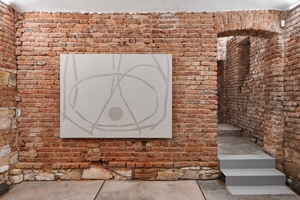 Alexandra Sukhareva Lake, 2021
Osnova Gallery
€18,000
-
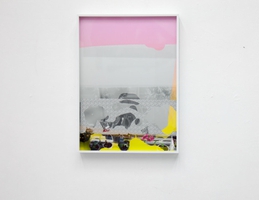 Jessica Andrey Bogush Proposal for blue mat and photograph, 2017
Osnova Gallery
€1,200
-
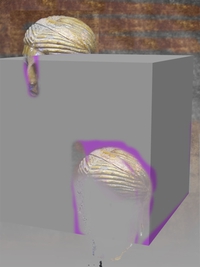 Jessica Andrey Bogush Proposal for duplicated head, purple and grey default cube (ver.2), 2016
Osnova Gallery
€3,000
-
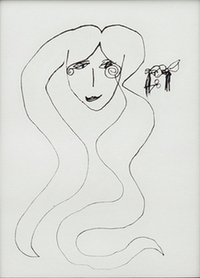 Alexandra Sukhareva Untitled (etching according to the drawing of 1987), 2019
Osnova Gallery
€1,400
-
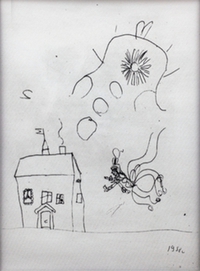 Alexandra Sukhareva Untitled (Etching according to the drawing of 1988), 2019
Osnova Gallery
€1,400
 Alexandra Sukhareva
 Jessica Andrey Bogush