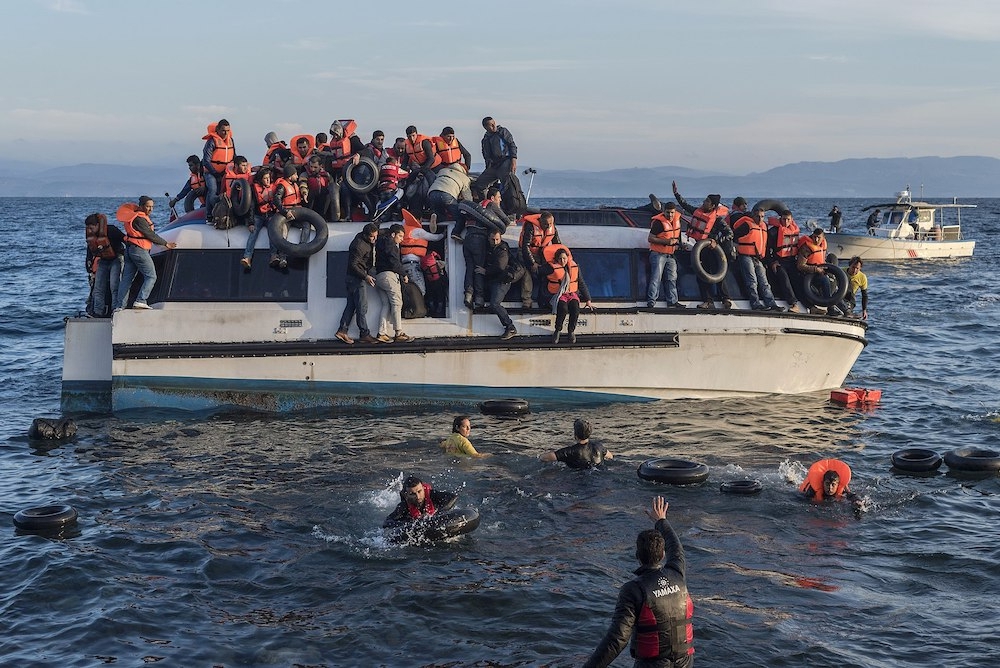
European migrant crisis
The European migrant crisis, also known as the European refugee crisis, was a period of significantly increased movement of refugees and migrants into Europe during the 2010s. The term is often used to refer specifically to the year 2015, when 1.3 million people came to Europe to request asylum, the highest number since World War II. The most common nationalities of those requesting asylum in Europe in 2015 were Syrian (47%), Afghan (21%) and Iraqi (9%). Europe began registering increased numbers of refugee arrivals in 2010 due to a confluence of wars in the Middle East, particularly in Syria, Afghanistan and Iraq. Terrorist insurgencies in Nigeria and Pakistan and long-running human rights abuses in Eritrea also contributed to refugee flows. Many millions initially sought refuge in comparatively stable countries in and near the Middle East, especially in Turkey, Lebanon, Jordan, Egypt, Iran and Pakistan. However, while these countries were largely free of war, living conditions for refugees were often very poor. In Turkey, many were not permitted to work; in Jordan and Lebanon, large numbers were confined to squalid refugee camps. As it became clear that the wars in their home countries would not end in the foreseeable future, many increasingly wished to settle permanently elsewhere. In addition, starting in 2014, Lebanon, Jordan and Egypt stopped accepting Syrian asylum seekers. Together these events caused a surge in people fleeing to Europe in 2015.
Artworks
-
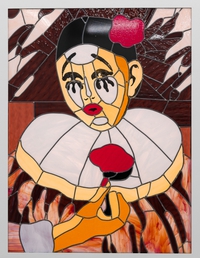 Belu-Simion Fainaru A heart needs more room to breathe, 2015
Galeria Plan B
€25,000
-
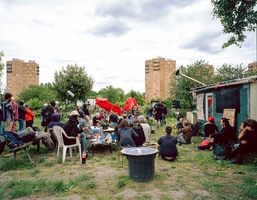 Bruno Serralongue Assemblée générale et..., 2021
Air de Paris
€17,000
Buy now
-
 Bruno Serralongue Au pied du mur de défense..., 2021
Air de Paris
€9,500
Buy now
-
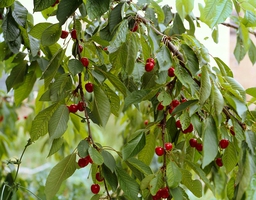 Bruno Serralongue Ce cerisier au pied duquel..., 2021
Air de Paris
€9,500
Buy now
-
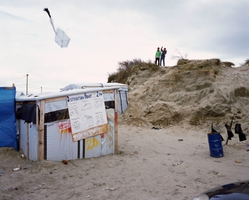 Bruno Serralongue Cerf volant, "bidonville d'Etat" pour migrants, Calais, 26 mars 2016, 2016
Air de Paris
€9,500
Buy now
-
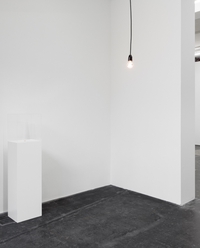 Belu-Simion Fainaru Daylight, 2010
Galeria Plan B
€8,000
-
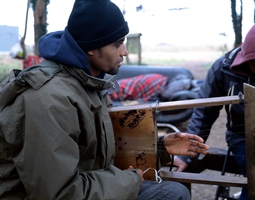 Bruno Serralongue Jeune homme érythréen jouant de la musique, bois Chico Mendes, zone Marcel Dorée, Calais, 8 février 2018, 2018
Air de Paris
€9,500
Buy now
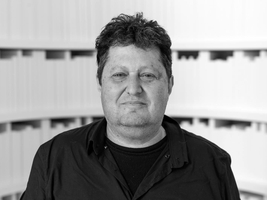 Belu-Simion Fainaru
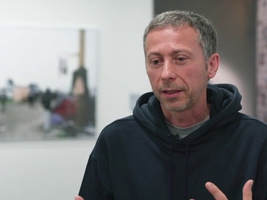 Bruno Serralongue