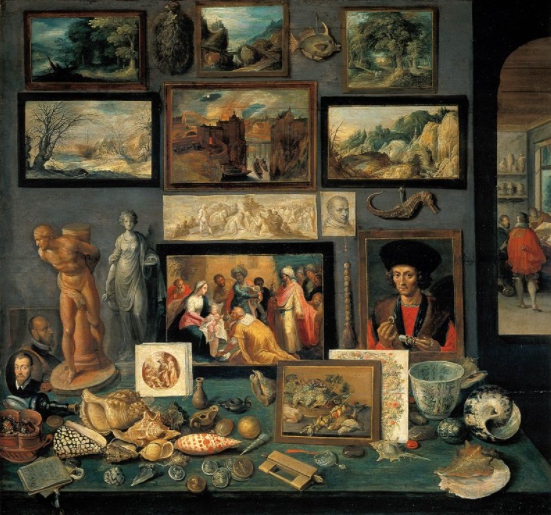
Frans Francken the Younger, Public Domain
Cabinet of Curiosities
Cabinets of curiosities (also known in German loanwords as Kunstkabinett, Kunstkammer or Wunderkammer; also Cabinets of Wonder, and wonder-rooms) were collections of notable objects. The term cabinet originally described a room rather than a piece of furniture. Modern terminology would categorize the objects included as belonging to natural history (sometimes faked), geology, ethnography, archaeology, religious or historical relics, works of art (including cabinet paintings), and antiquities. The classic cabinet of curiosities emerged in the sixteenth century, although more rudimentary collections had existed earlier. In addition to the most famous and best documented cabinets of rulers and aristocrats, members of the merchant class and early practitioners of science in Europe formed collections that were precursors to museums.
Cabinets of curiosities served not only as collections to reflect the particular curiosities of their curators but as social devices to establish and uphold rank in society. In addition to cabinets of curiosity serving as an establisher of socioeconomic status for its curator, these cabinets served as entertainment, as particularly illustrated by the proceedings of the Royal Society, whose early meetings were often a sort of open floor to any Fellow to exhibit the findings his curiosities led him to.
Artworks
-
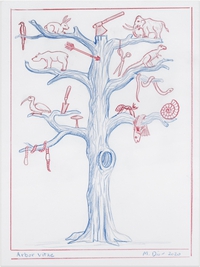 Mark Dion Arbor Vitae, 2020
In Situ - fabienne leclerc
€4,000
Sold
-
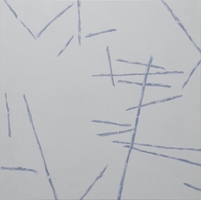 Irene Kopelman A Tiny World - May 2019 - Jetty, 2020
Galerie Jocelyn Wolff
€9,000
Buy now
-
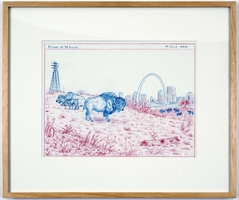 Mark Dion Bison of St. Louis, 2010
In Situ - fabienne leclerc
€4,000
Buy now
-
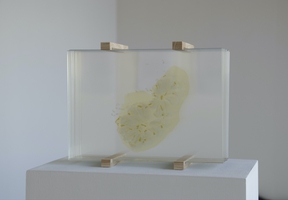 Irene Kopelman Botryllus, 2021
Galerie Jocelyn Wolff
€7,800
Buy now
-
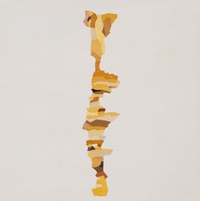 Irene Kopelman Cárcava I, 2020
Galerie Jocelyn Wolff
€4,400
Buy now
-
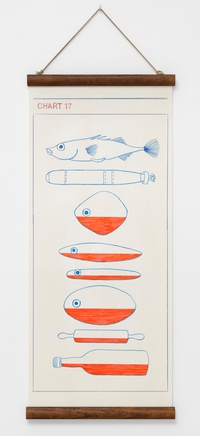 Mark Dion Chart 17, 2020
In Situ - fabienne leclerc
€6,500
Sold
-
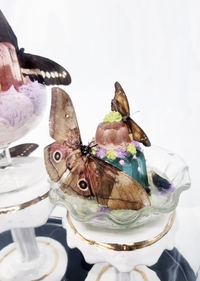 Mark Dion Confectionary Curiosity, 2024
In Situ - fabienne leclerc
€25,000
Buy now
-
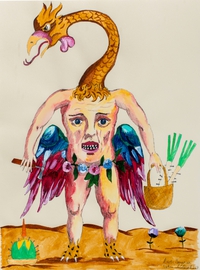 Andrew Gilbert Exotic Bavarian Native, 2017
Sperling
€3,300
Buy now
-
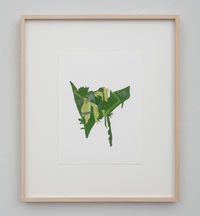 Irene Kopelman Forest Windows, 2012
LABOR
$6,000
-
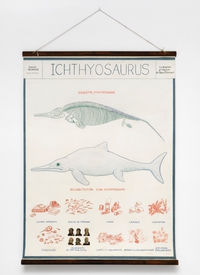 Mark Dion Ichthyosaurus, 2003
In Situ - fabienne leclerc
€17,000
Buy now
-
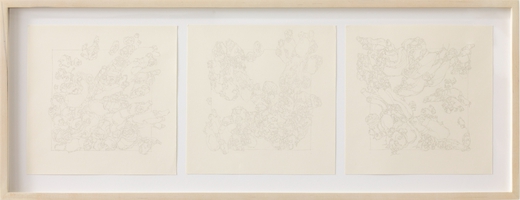 Irene Kopelman Invasive Species Madryn, 2017
LABOR
$20,000
-
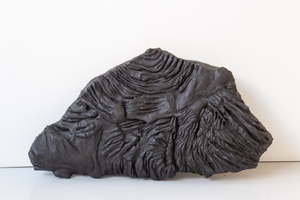 Irene Kopelman Levy's Relief - Location B, 2009
Galerie Jocelyn Wolff
€11,000
Buy now
-
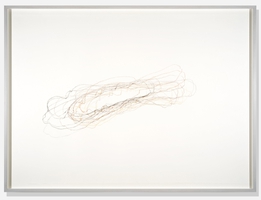 Irene Kopelman Nematostella Movement experiment - Large, 11_no date, 2021
Galerie Jocelyn Wolff
€9,000
Buy now
-
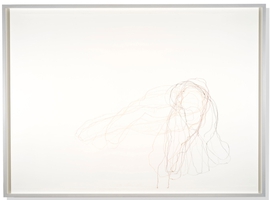 Irene Kopelman Nematostella Movement experiment - Large, 1_23 julio, 2021
Galerie Jocelyn Wolff
€9,000
Buy now
-
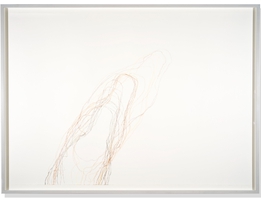 Irene Kopelman Nematostella Movement experiment - Large, 2_22 julio, 2021
Galerie Jocelyn Wolff
€9,000
Buy now
-
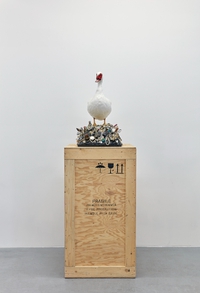 Mark Dion Portrait of The Curator, 2019
In Situ - fabienne leclerc
€50,000
Buy now
-
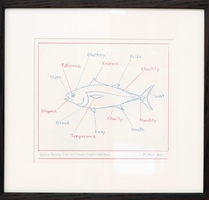 Mark Dion Seven Deadly Sins and Seven Capital Virtues, 2023
In Situ - fabienne leclerc
€3,500
Buy now
-
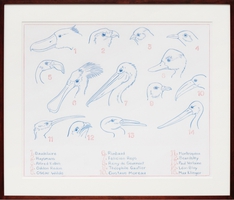 Mark Dion The Decadents, 2021
In Situ - fabienne leclerc
€6,000
Buy now
-
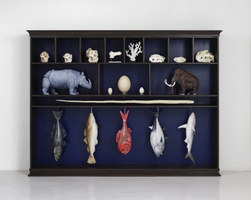 Mark Dion The Extinction Cabinet, 2021
In Situ - fabienne leclerc
€130,000
Buy now
-
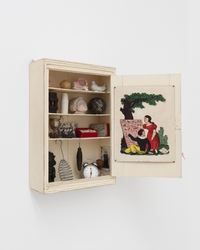 Mark Dion The Medecine Cabinet of Mystery, 2013-2019
In Situ - fabienne leclerc
€35,000
Buy now
-
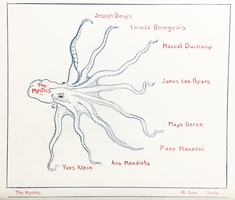 Mark Dion The Mystics, 2020
In Situ - fabienne leclerc
€4,000
Sold
-
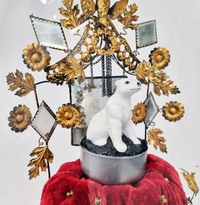 Mark Dion The Polar Bride, 2024
In Situ - fabienne leclerc
€25,000
Buy now
-
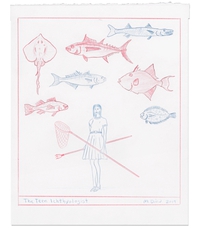 Mark Dion The Teen Ichthyologist, 2019
In Situ - fabienne leclerc
€3,500
Buy now
-
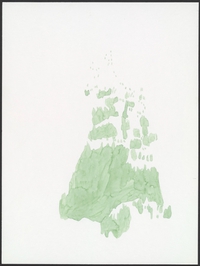 Irene Kopelman Tree Lines Davos two slopes from on top, 2012-2014
LABOR
$18,000
-
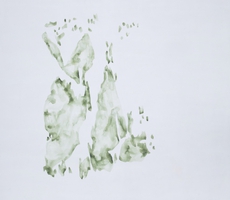 Irene Kopelman Tree Lines E, 2015
Galerie Jocelyn Wolff
€27,500
Buy now
-
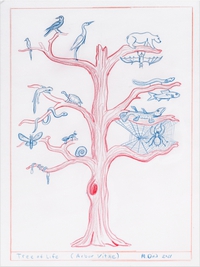 Mark Dion Tree of Life (Arbor Vitae), 2021
In Situ - fabienne leclerc
€4,000
Sold
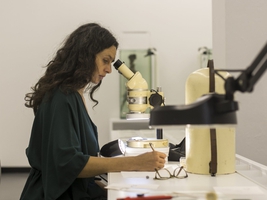 Irene Kopelman
 Mark Dion