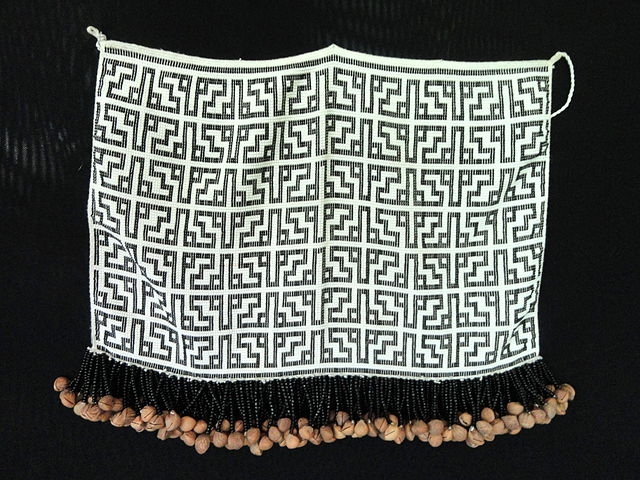
Brazilian Art
Brazilian art is most commonly used as an umbrella term for art created in this region post Portuguese colonization.
Right at the turn of the decade, some Brazilian Concrete artists began ditching the traditional "strictness" of concrete art in favor of a more phenomenological approach, exploring the relations between the art object and the viewer. Among the primary leaders of this Neo-Concrete movement were the poet Ferreira Gullar, and the visual artists Hélio Oiticica, Lygia Pape and Lygia Clark, this last one internationally cited as one of the most influential artists of the 20th century. The Coup d'état of 1964 and subsequent restriction of civil rights and freedom of expression in Brazil is commonly marked as the shifting point, whence artists such as Cildo Meireles and Rubens Gerchman began creating explicitly political art. Particularly after 1968, when the military government legalized torture, Brazilian art was marked by rather radical actions and happenings.
Artworks
-
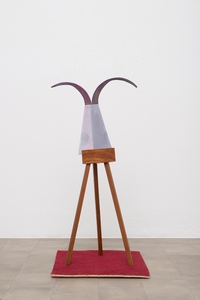 Ana Mazzei Bode (Goat), 2019
Martins & Montero
€4,000
Buy now
-
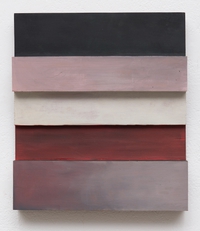 Ana Mazzei Cenário Bandeira, 2021
Martins & Montero
€7,500
Buy now
-
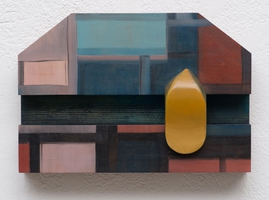 Ana Mazzei Cenário Xadrez, 2021
Martins & Montero
€7,500
Buy now
-
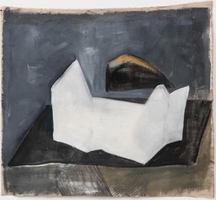 Ana Mazzei Estudos para Fantasmas / Lençol, 2017
Martins & Montero
€3,500
Buy now
-
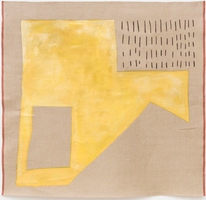 Ana Mazzei Estudos para Fantasmas / Pato, 2017
Martins & Montero
€7,500
Buy now
-
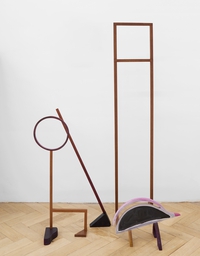 Ana Mazzei Picadeiro I, 2021
Martins & Montero
€12,000
Buy now
-
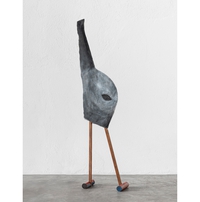 Ana Mazzei Rabbit, 2021
Martins & Montero
€7,000
Buy now
-
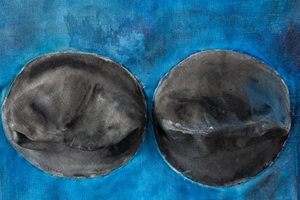 Ana Mazzei Shirt, 2021
Martins & Montero
€7,000
Buy now
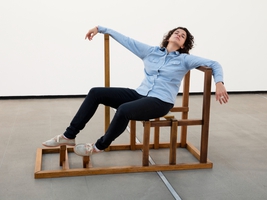 Ana Mazzei