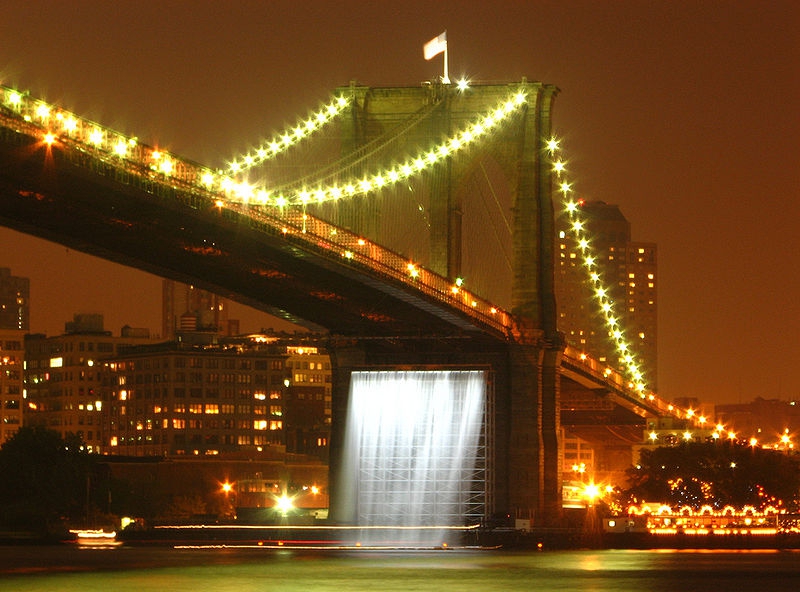
Site-specific Art
Site-specific art is artwork created to exist in a certain place. Typically, the artist takes the location into account while planning and creating the artwork. Site-specific art is produced both by commercial artists, and independently, and can include some instances of work such as sculpture, stencil graffiti, rock balancing, and other art forms. Installations can be in urban areas, remote natural settings, or underwater.
The term "site-specific art" was promoted and refined by California artist Robert Irwin but it was actually first used in the mid-1970s by young sculptors, such as Patricia Johanson, Dennis Oppenheim, and Athena Tacha, who had started executing public commissions for large urban sites. Outdoor site-specific artworks often include landscaping combined with permanently sited sculptural elements; it is sometimes linked with environmental art. Outdoor site-specific artworks can also include dance performances created especially for the site. More broadly, the term is sometimes used for any work that is more or less permanently attached to a particular location. In this sense, a building with interesting architecture could also be considered a piece of site-specific art.
Artworks
-
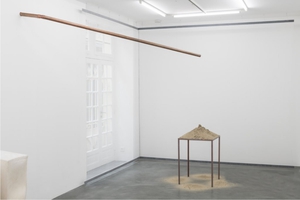 Katinka Bock April table, 2019
Galerie Jocelyn Wolff
€26,500
Sold
-
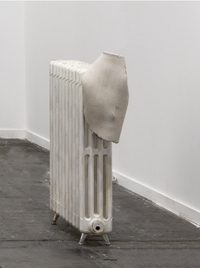 Katinka Bock Cameleon (HM), 2019
Galerie Jocelyn Wolff
€15,500
Buy now
-
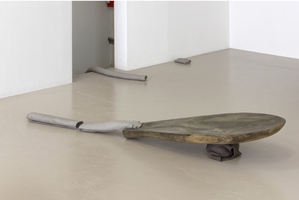 Katinka Bock Cuillère, couchée, 2018
Galerie Jocelyn Wolff
€30,000
Sold
-
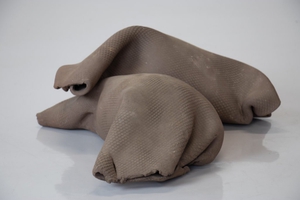 Katinka Bock Tatou (duo), 2020
Galerie Jocelyn Wolff
€13,000
Buy now
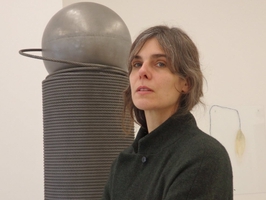 Katinka Bock