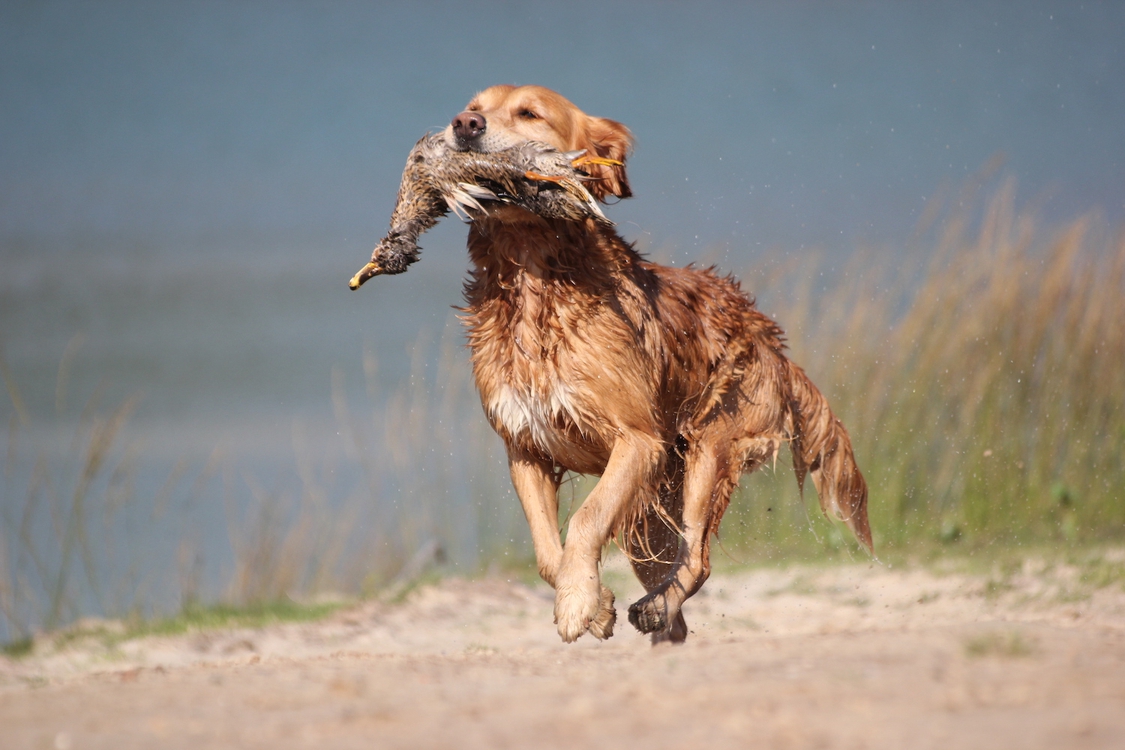
Animals
Animals (also called Metazoa) are multicellular, eukaryotic organisms in the biological kingdom Animalia. With few exceptions, animals consume organic material, breathe oxygen, are able to move, can reproduce sexually, and go through an ontogenetic stage in which their body consists of a hollow sphere of cells, the blastula, during embryonic development. Over 1.5 million living animal species have been described—of which around 1 million are insects—but it has been estimated there are over 7 million animal species in total. Animals range in length from 8.5 micrometres (0.00033 in) to 33.6 metres (110 ft). They have complex interactions with each other and their environments, forming intricate food webs. The scientific study of animals is known as zoology. Historically, Aristotle divided animals into those with blood and those without. Carl Linnaeus created the first hierarchical biological classification for animals in 1758 with his Systema Naturae, which Jean-Baptiste Lamarck expanded into 14 phyla by 1809. In 1874, Ernst Haeckel divided the animal kingdom into the multicellular Metazoa (now synonymous for Animalia) and the Protozoa, single-celled organisms no longer considered animals. In modern times, the biological classification of animals relies on advanced techniques, such as molecular phylogenetics, which are effective at demonstrating the evolutionary relationships between taxa.
Artworks
-
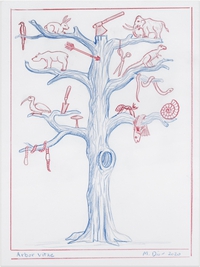 Mark Dion Arbor Vitae, 2020
In Situ - fabienne leclerc
€4,000
Sold
-
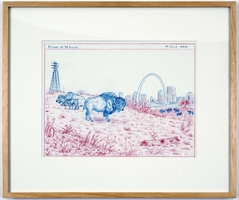 Mark Dion Bison of St. Louis, 2010
In Situ - fabienne leclerc
€4,000
Buy now
-
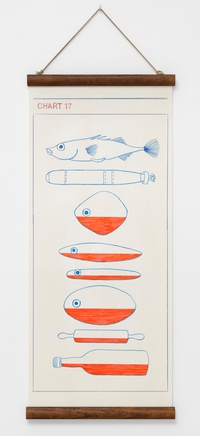 Mark Dion Chart 17, 2020
In Situ - fabienne leclerc
€6,500
Sold
-
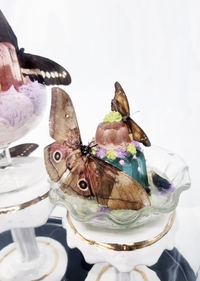 Mark Dion Confectionary Curiosity, 2024
In Situ - fabienne leclerc
€25,000
Buy now
-
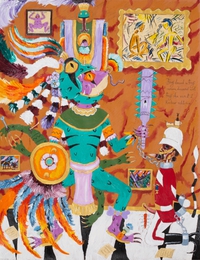 Andrew Gilbert 'Frog dressed in Frog costume, decorated with Frog skin visits E.L. Kirchner exhibition...', 2024
Sperling
€5,400
Buy now
-
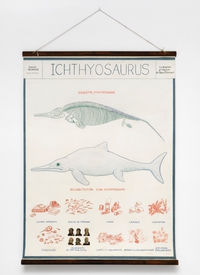 Mark Dion Ichthyosaurus, 2003
In Situ - fabienne leclerc
€17,000
Buy now
-
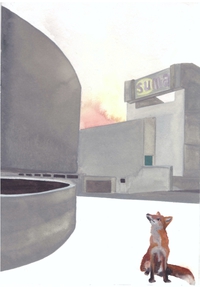 Isa Melsheimer Nr 390, 2015
Galerie Jocelyn Wolff
€4,500
Buy now
-
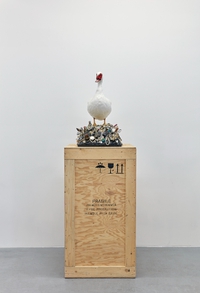 Mark Dion Portrait of The Curator, 2019
In Situ - fabienne leclerc
€50,000
Buy now
-
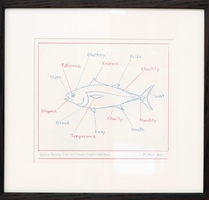 Mark Dion Seven Deadly Sins and Seven Capital Virtues, 2023
In Situ - fabienne leclerc
€3,500
Buy now
-
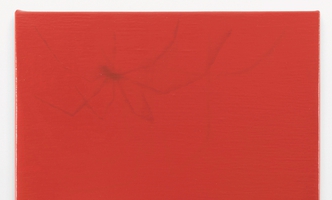 Bernat Daviu Studio Spider, 2022
Bombon Projects
€1,000
-
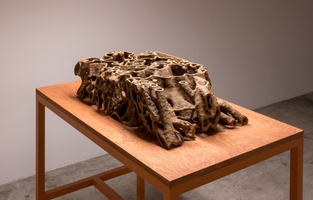 Nicholas Mangan Termite Economies Phase 3 (Root Causes/Termite topology), 2019
LABOR
$22,000
-
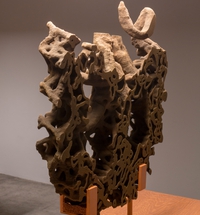 Nicholas Mangan Termite Economies Phase 3 (Rorschach), 2019
LABOR
$16,000
-
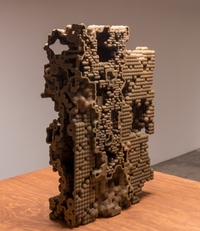 Nicholas Mangan Termite Economies Phase 3 (Trophallaxis), 2019
LABOR
$25,000
-
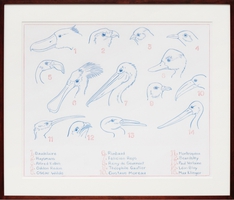 Mark Dion The Decadents, 2021
In Situ - fabienne leclerc
€6,000
Buy now
-
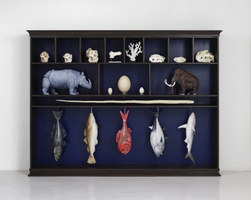 Mark Dion The Extinction Cabinet, 2021
In Situ - fabienne leclerc
€130,000
Buy now
-
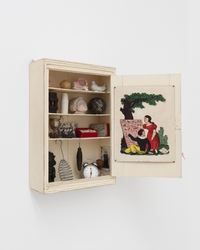 Mark Dion The Medecine Cabinet of Mystery, 2013-2019
In Situ - fabienne leclerc
€35,000
Buy now
-
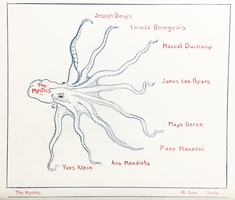 Mark Dion The Mystics, 2020
In Situ - fabienne leclerc
€4,000
Sold
-
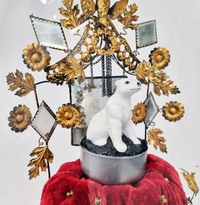 Mark Dion The Polar Bride, 2024
In Situ - fabienne leclerc
€25,000
Buy now
-
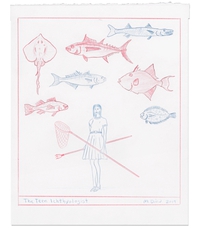 Mark Dion The Teen Ichthyologist, 2019
In Situ - fabienne leclerc
€3,500
Buy now
-
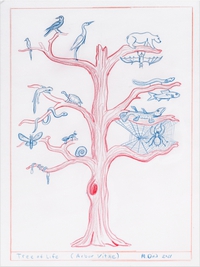 Mark Dion Tree of Life (Arbor Vitae), 2021
In Situ - fabienne leclerc
€4,000
Sold
 Mark Dion