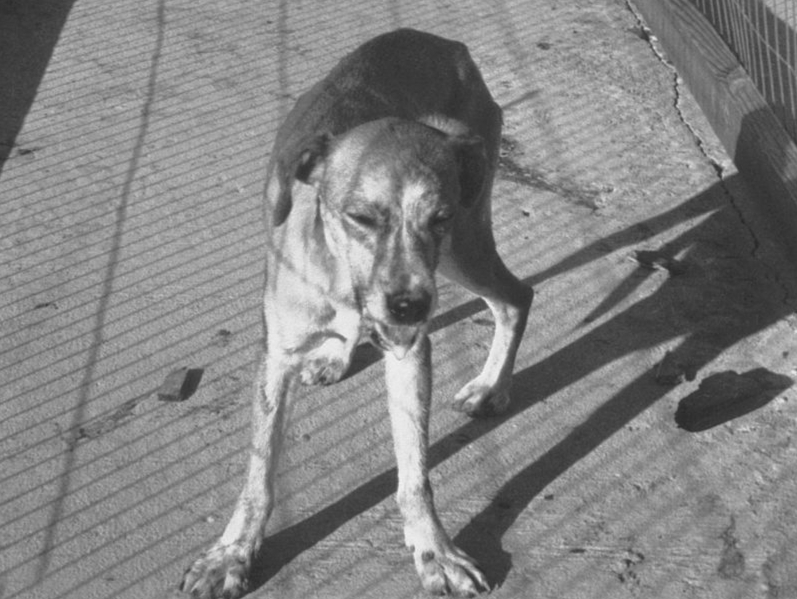
This media comes from the Centers for Disease Control and Prevention's Public Health Image Library
Public Domain
Zoonosis
A zoonosis (plural zoonoses, or zoonotic diseases) is an infectious disease caused by a pathogen (an infectious agent, such as a bacterium, virus, parasite or prion) that has jumped from an animal (usually a vertebrate) to a human. Typically, the first infected human transmits the infectious agent to at least one other human, who, in turn, infects others. Major modern diseases such as Ebola virus disease and salmonellosis are zoonoses. HIV was a zoonotic disease transmitted to humans in the early part of the 20th century, though it has now mutated to a separate human-only disease. Most strains of influenza that infect humans are human diseases, although many strains of bird flu and swine flu are zoonoses; these viruses occasionally recombine with human strains of the flu and can cause pandemics such as the 1918 Spanish flu or the 2009 swine flu. Taenia solium infection is one of the neglected tropical diseases with public health and veterinary concern in endemic regions. Zoonoses can be caused by a range of disease pathogens such as emergent viruses, bacteria, fungi and parasites; of 1,415 pathogens known to infect humans, 61% were zoonotic. Most human diseases originated in animals; however, only diseases that routinely involve non-human to human transmission, such as rabies, are considered direct zoonoses.
Artworks
-
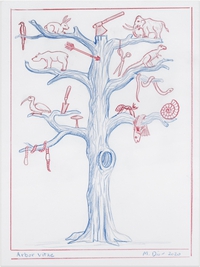 Mark Dion Arbor Vitae, 2020
In Situ - fabienne leclerc
€4,000
Sold
-
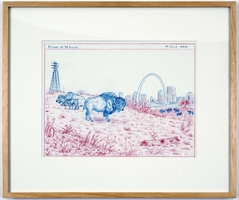 Mark Dion Bison of St. Louis, 2010
In Situ - fabienne leclerc
€4,000
Buy now
-
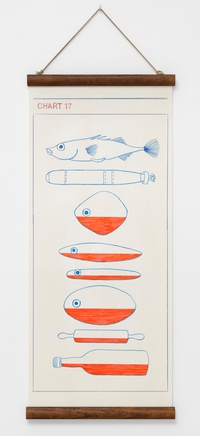 Mark Dion Chart 17, 2020
In Situ - fabienne leclerc
€6,500
Sold
-
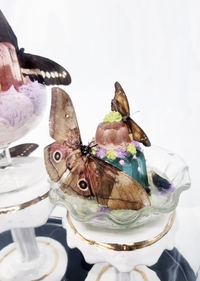 Mark Dion Confectionary Curiosity, 2024
In Situ - fabienne leclerc
€25,000
Buy now
-
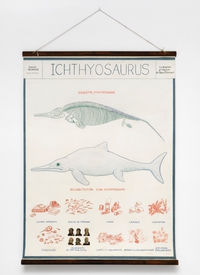 Mark Dion Ichthyosaurus, 2003
In Situ - fabienne leclerc
€17,000
Buy now
-
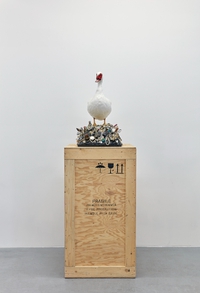 Mark Dion Portrait of The Curator, 2019
In Situ - fabienne leclerc
€50,000
Buy now
-
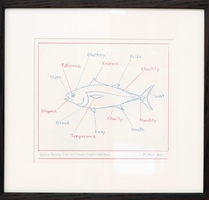 Mark Dion Seven Deadly Sins and Seven Capital Virtues, 2023
In Situ - fabienne leclerc
€3,500
Buy now
-
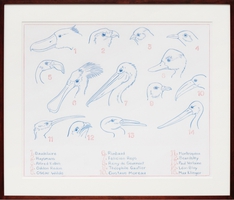 Mark Dion The Decadents, 2021
In Situ - fabienne leclerc
€6,000
Buy now
-
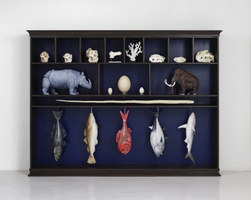 Mark Dion The Extinction Cabinet, 2021
In Situ - fabienne leclerc
€130,000
Buy now
-
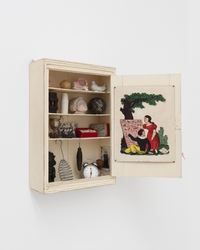 Mark Dion The Medecine Cabinet of Mystery, 2013-2019
In Situ - fabienne leclerc
€35,000
Buy now
-
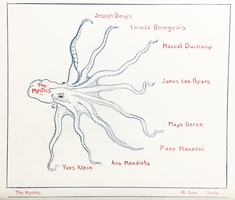 Mark Dion The Mystics, 2020
In Situ - fabienne leclerc
€4,000
Sold
-
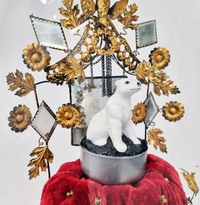 Mark Dion The Polar Bride, 2024
In Situ - fabienne leclerc
€25,000
Buy now
-
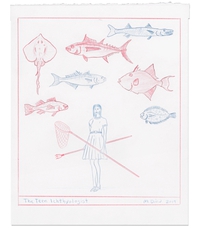 Mark Dion The Teen Ichthyologist, 2019
In Situ - fabienne leclerc
€3,500
Buy now
-
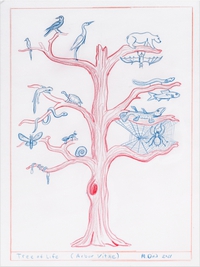 Mark Dion Tree of Life (Arbor Vitae), 2021
In Situ - fabienne leclerc
€4,000
Sold
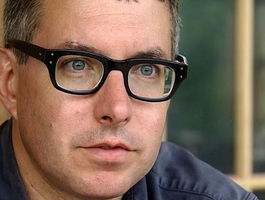 Mark Dion