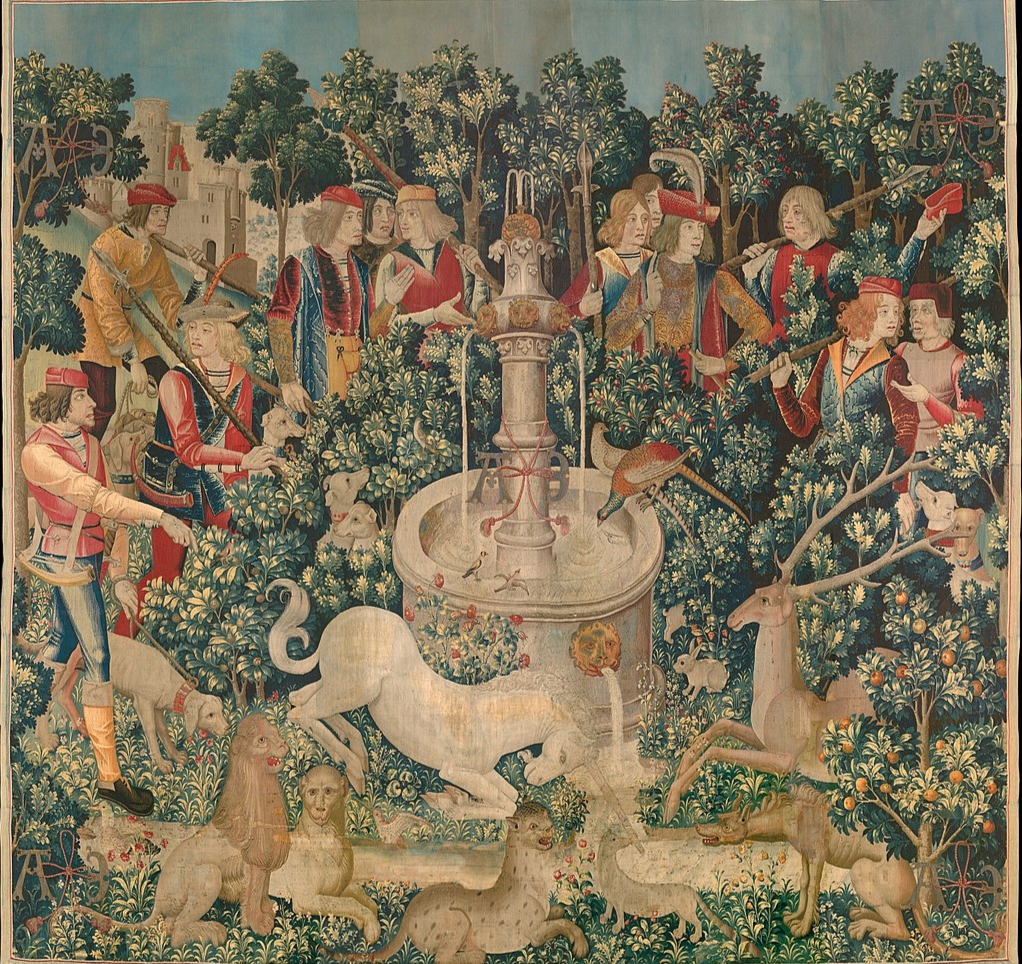
The Hunt of the Unicorn: The Unicorn is Found, circa 1495–1505, The Cloisters, Metropolitan Museum of Art, New York City
Unknown Author. Public Domain
Tapestry
Tapestry is a form of textile art, traditionally woven by hand on a loom. Tapestry is weft-faced weaving, in which all the warp threads are hidden in the completed work, unlike most woven textiles, where both the warp and the weft threads may be visible. In tapestry weaving, weft yarns are typically discontinuous; the artisan interlaces each coloured weft back and forth in its own small pattern area. It is a plain weft-faced weave having weft threads of different colours worked over portions of the warp to form the design. Tapestry is relatively fragile, and difficult to make, so most historical pieces are intended to hang vertically on a wall (or sometimes in tents), or sometimes horizontally over a piece of furniture such as a table or bed. Some periods made smaller pieces, often long and narrow and used as borders for other textiles. European tapestries are normally made to be seen only from one side, and often have a plain lining added on the back.
Artworks
-
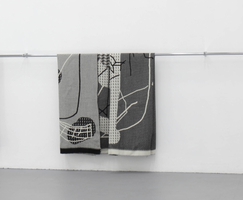 Jessica Andrey Bogush Black carpet, 2017
Osnova Gallery
€4,500
-
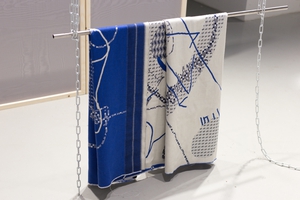 Jessica Andrey Bogush Blue carpet, 2017
Osnova Gallery
€4,500
-
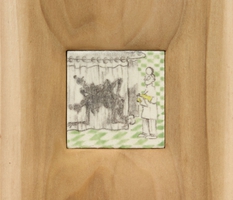 Em Kettner Clinical Study (1), 2022
François Ghebaly
$1,500
Buy now
-
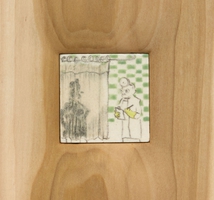 Em Kettner Clinical Study (2), 2022
François Ghebaly
$1,500
Buy now
-
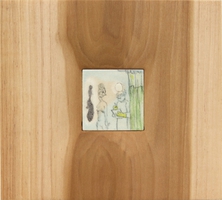 Em Kettner Clinical Study (3), 2022
François Ghebaly
$1,500
Buy now
-
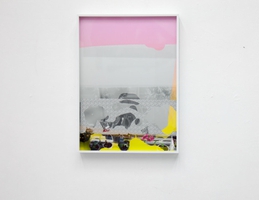 Jessica Andrey Bogush Proposal for blue mat and photograph, 2017
Osnova Gallery
€1,200
-
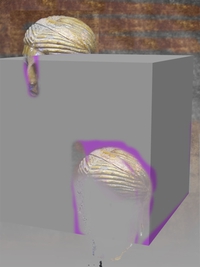 Jessica Andrey Bogush Proposal for duplicated head, purple and grey default cube (ver.2), 2016
Osnova Gallery
€3,000
 Em Kettner
 Jessica Andrey Bogush