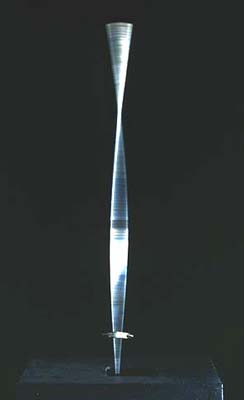
Naum Gabo, CC0
Kinetic art
Kinetic art is art from any medium that contains movement perceivable by the viewer or that depends on motion for its effect. Canvas paintings that extend the viewer's perspective of the artwork and incorporate multidimensional movement are the earliest examples of kinetic art. More pertinently speaking, kinetic art is a term that today most often refers to three-dimensional sculptures and figures such as mobiles that move naturally or are machine operated (see e. g. videos on this page of works of George Rickey, Uli Aschenborn and Sarnikoff). The moving parts are generally powered by wind, a motor or the observer. Kinetic art encompasses a wide variety of overlapping techniques and styles.
There is also a portion of kinetic art that includes virtual movement, or rather movement perceived from only certain angles or sections of the work. This term also clashes frequently with the term "apparent movement", which many people use when referring to an artwork whose movement is created by motors, machines, or electrically powered systems.
Artworks
-
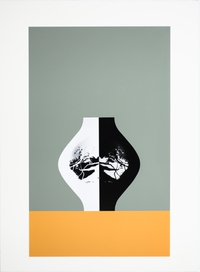 Francisco Tropa Chas, 2017
Galerie Jocelyn Wolff
€5,000
Buy now
-
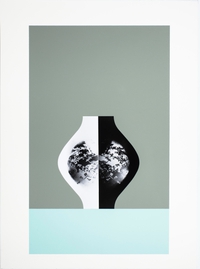 Francisco Tropa Chas, 2017
Galerie Jocelyn Wolff
€5,000
Buy now
-
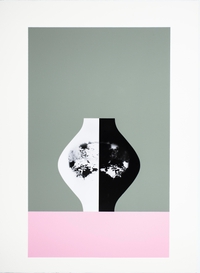 Francisco Tropa Chas, 2017
Galerie Jocelyn Wolff
€5,000
Buy now
-
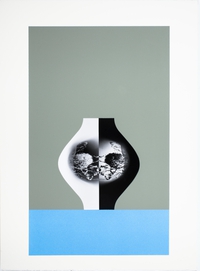 Francisco Tropa Chas, 2017
Galerie Jocelyn Wolff
€5,000
Buy now
-
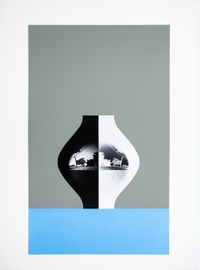 Francisco Tropa Chas, 2017
Galerie Jocelyn Wolff
€5,000
Buy now
-
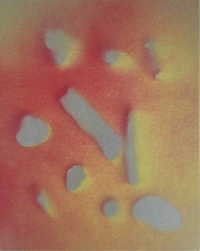 Francisco Tropa La moustache cachée dans la barbe, 2018
Galerie Jocelyn Wolff
€2,000
Buy now
-
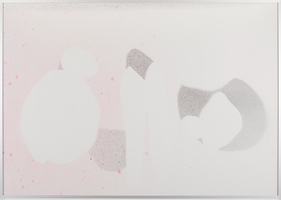 Francisco Tropa Le songe de Scipion, 2015
Galerie Jocelyn Wolff
€4,500
Buy now
-
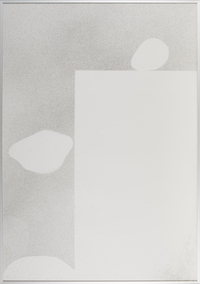 Francisco Tropa Le songe de Scipion, 2015
Galerie Jocelyn Wolff
€4,500
Buy now
-
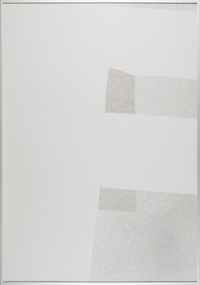 Francisco Tropa Le songe de Scipion, 2015
Galerie Jocelyn Wolff
€4,500
Buy now
-
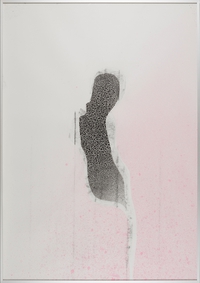 Francisco Tropa Le songe de Scipion, 2015
Galerie Jocelyn Wolff
€4,500
Buy now
-
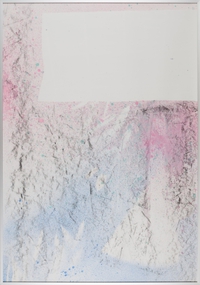 Francisco Tropa Le songe de Scipion, 2015
Galerie Jocelyn Wolff
€4,500
Buy now
-
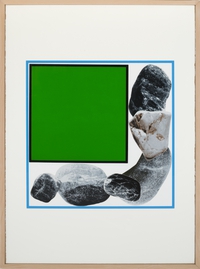 Francisco Tropa Panta Rhei, 2016
Galerie Jocelyn Wolff
€5,000
Buy now
-
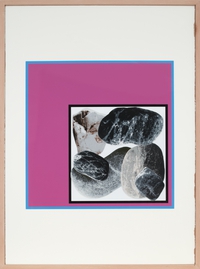 Francisco Tropa Panta Rhei, 2016
Galerie Jocelyn Wolff
€5,000
Buy now
-
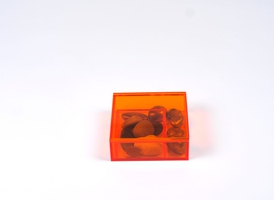 Francisco Tropa Panta Rhei, 2015
Galerie Jocelyn Wolff
€3,300
Buy now
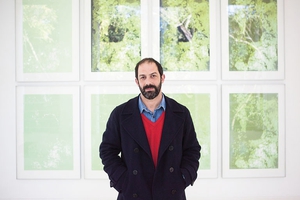 Francisco Tropa