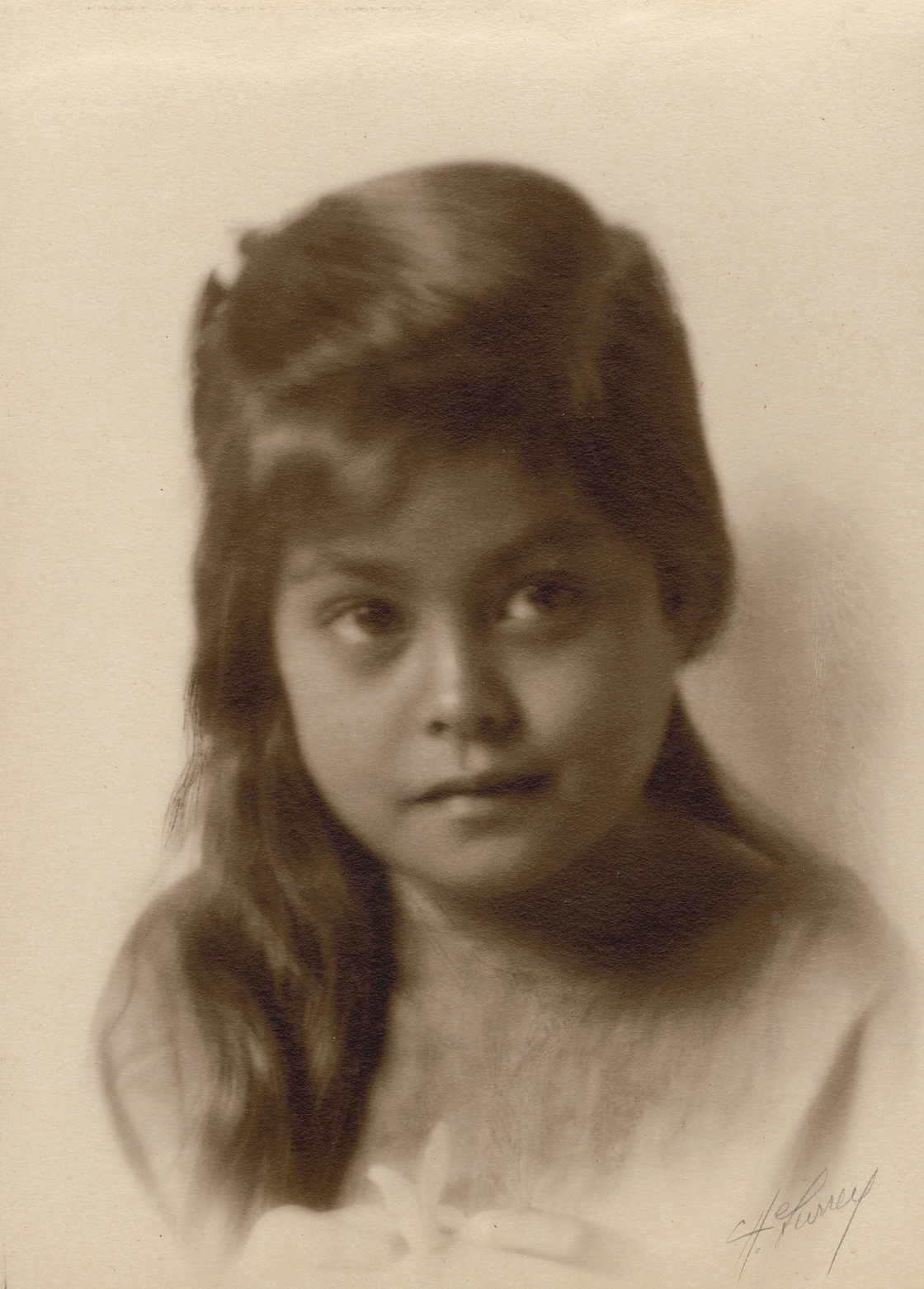
Carolyn Haskins Gurrey. Public Domain
Gelatin Silver Process
The gelatin silver process is the most commonly used chemical process in black-and-white photography, and is the fundamental chemical process for modern analog color photography. As such, films and printing papers available for analog photography rarely rely on any other chemical process to record an image. A suspension of silver salts in gelatin is coated onto a support such as glass, flexible plastic or film, baryta paper, or resin-coated paper. These light-sensitive materials are stable under normal keeping conditions and are able to be exposed and processed even many years after their manufacture. This was an improvement on the collodion wet-plate process dominant from the 1850s–1880s, which had to be exposed and developed immediately after coating. The gelatin silver process was introduced by Richard Leach Maddox in 1871 with subsequent considerable improvements in sensitivity obtained by Charles Harper Bennett in 1878. Gelatin silver print paper was made as early as 1874 on a commercial basis, but it was poor quality because the dry-plate emulsion was coated onto the paper only as an afterthought.
Artworks
-
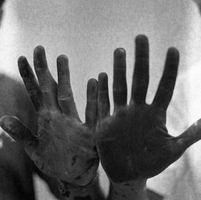 Juan Carlos Alom Graffitti hands, 2019
El Apartamento
$4,500
Buy now
-
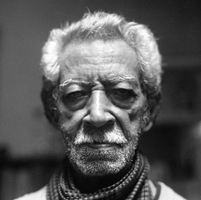 Juan Carlos Alom Mi tío Zoylo a los 95 años, 2019
El Apartamento
$4,500
Buy now
-
 Juan Carlos Alom Puño de Tigre, 2010
El Apartamento
$4,500
Buy now
-
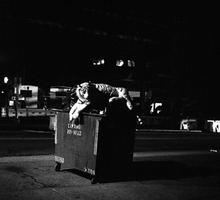 Juan Carlos Alom Sin título, 2019
El Apartamento
$4,500
Buy now
 Juan Carlos Alom