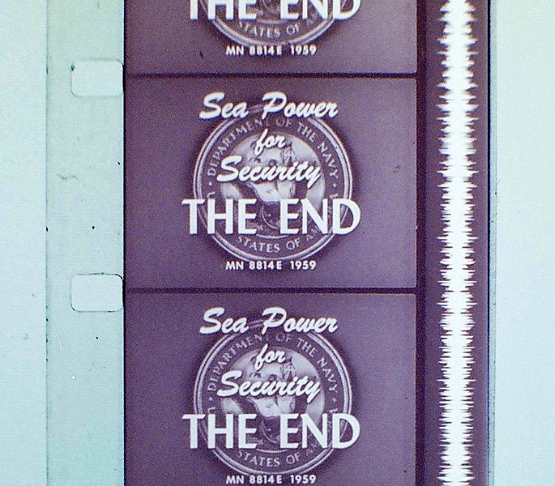
U. S. Navy. Photographed by Cmacd123. Public Domain
16mm
16 mm film is a historically popular and economical gauge of film. 16 mm refers to the width of the film; other common film gauges include 8 and 35 mm. It is generally used for non-theatrical (e.g., industrial, educational) film-making, or for low-budget motion pictures. Eastman Kodak introduced 16 mm film in 1923, as a less expensive alternative to 35 mm film for amateurs. During the 1920s, the format was often referred to as sub-standard by the professional industry Kodak hired Willard Beech Cook from his 28 mm Pathescope of America company to create the new 16 mm 'Kodascope Library'. In addition to making home movies, people could buy or rent films from the library, a key selling aspect of the format. Intended for amateur use, 16 mm film was one of the first formats to use acetate safety film as a film base. Kodak never used nitrate film for the format, owing to the high flammability of the nitrate base. 35 mm nitrate was discontinued in 1952.
Artworks
-
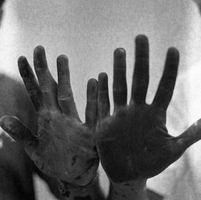 Juan Carlos Alom Graffitti hands, 2019
El Apartamento
$4,500
Buy now
-
 Juan Carlos Alom Mi tío Zoylo a los 95 años, 2019
El Apartamento
$4,500
Buy now
-
 Juan Carlos Alom Puño de Tigre, 2010
El Apartamento
$4,500
Buy now
-
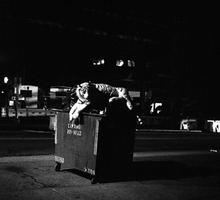 Juan Carlos Alom Sin título, 2019
El Apartamento
$4,500
Buy now
 Juan Carlos Alom