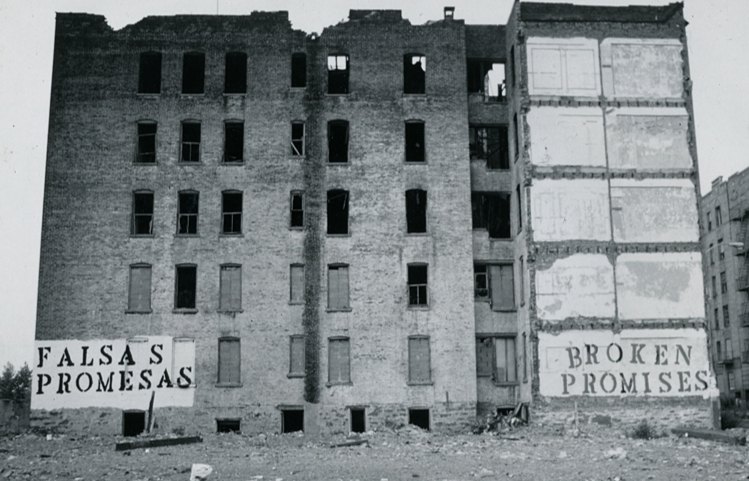
John Fekner © 1980 Donated to Wikipedia project by the artist
Urban decay
Urban decay (also known as urban rot, urban death and urban blight) is the sociological process by which a previously functioning city, or part of a city, falls into disrepair and decrepitude. It may feature deindustrialization, depopulation or deurbanization, economic restructuring, abandoned buildings or infrastructure, high local unemployment, increased poverty, fragmented families, low overall living standards or quality of life, political disenfranchisement, crime, elevated levels of pollution, and a desolate cityscape known as greyfield or urban prairie. Since the 1970s and 1980s, urban decay has been associated with Western cities, especially in North America and parts of Europe (mostly the United Kingdom and France).
The effects counter the development of most of Europe and North America; on other continents, urban decay is manifested in the peripheral slums at the outskirts of a metropolis, while the city center and the inner city retain high real estate values and sustain a steadily increasing populace. Another characteristic of urban decay is blight—the visual, psychological, and physical effects of living among empty lots, buildings and condemned houses..
Artworks
-
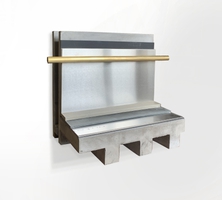 Nika Neelova Lateral cuts II. Models of internal architectural cross-sections,, 2020
Osnova Gallery
€4,500
-
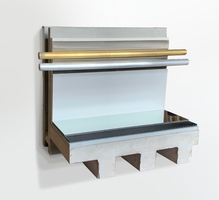 Nika Neelova Lateral cuts series III. Models of internal architectural cross-sections, 2020
Osnova Gallery
€4,500
-
 Nika Neelova Lemniscate XIV, 2021
Osnova Gallery
€9,500
-
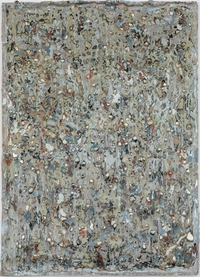 Nika Neelova Stratigraphy, 2019
Osnova Gallery
€7,500
-
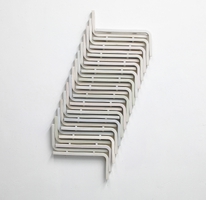 Nika Neelova Untitled (ikea stools), 2017
Osnova Gallery
€5,000
 Nika Neelova