Empirical Research
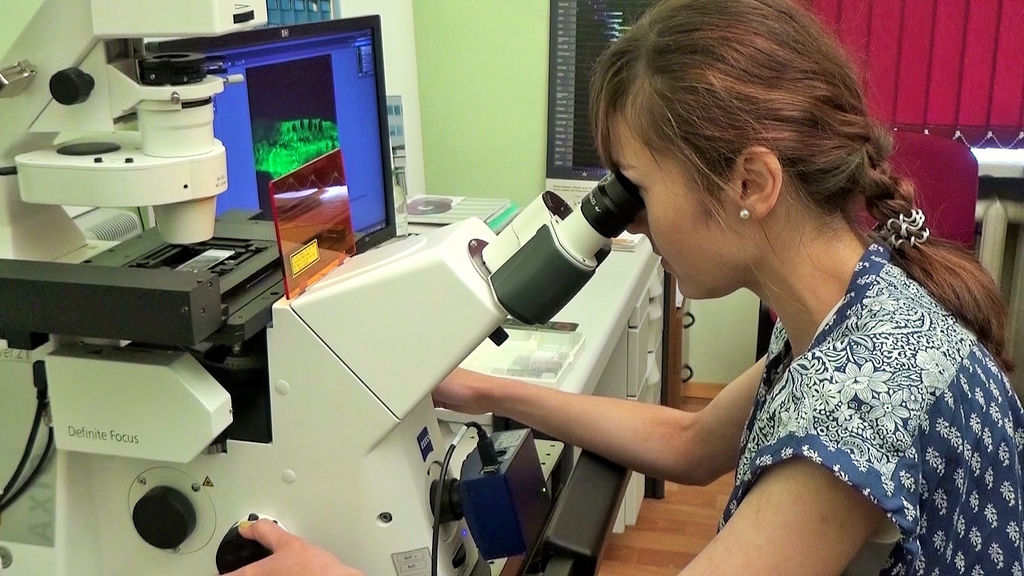
Empirical research is research using empirical evidence. It is also a way of gaining knowledge by means of direct and indirect observation or experience. Empiricism values some research more than other kinds. Empirical evidence (the record of one's direct observations or experiences) can be analyzed quantitatively or qualitatively. Quantifying the evidence or making sense of it in qualitative form, a researcher can answer empirical questions, which should be clearly defined and answerable with the evidence collected (usually called data). Research design varies by field and by the question being investigated. Many researchers combine qualitative and quantitative forms of analysis to better answer questions that cannot be studied in laboratory settings, particularly in the social sciences and in education. The term empirical was originally used to refer to certain ancient Greek practitioners of medicine. Later empiricism referred to a theory of knowledge in philosophy which adheres to the principle that knowledge arises from experience and evidence gathered specifically using the senses.
Artworks
-
 Alexandra Sukhareva Five pronunciation exercises. Glass #1, 2020
Osnova Gallery
€7,000
-
 Alexandra Sukhareva Lake, 2021
Osnova Gallery
€18,000
-
 Alexandra Sukhareva Untitled (etching according to the drawing of 1987), 2019
Osnova Gallery
€1,400
-
 Alexandra Sukhareva Untitled (Etching according to the drawing of 1988), 2019
Osnova Gallery
€1,400
 Alexandra Sukhareva