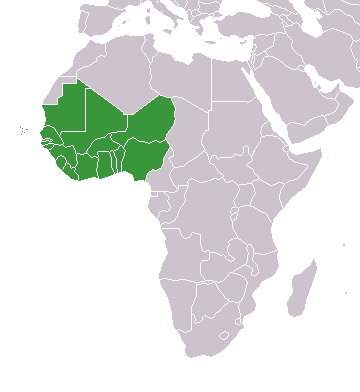
West Africa or Western Africa is the westernmost region of Africa. The United Nations defines Western Africa as the 17 countries of Benin, Burkina Faso, Cape Verde, The Gambia, Ghana, Guinea, Guinea-Bissau, Ivory Coast, Liberia, Mali, Mauritania, Niger, Nigeria, Senegal, Sierra Leone, and Togo as well as Saint Helena, Ascension and Tristan da Cunha. The population of West Africa is estimated at about 381 million people as of 2018, and at 381,981,000 as of 2017, of which 189,672,000 are female and 192,309,000 male. The region is one of the fastest growing demographically, and economically in the Africa.
Early history in West Africa included a number of prominent regional powers, that dominated different parts of both the coast and internal trade networks, such as the Mali and Gao Empires. West Africa sat the intersection of trade routes between Arab-dominated North Africa and specialized goods from further south on the continent, including gold, advanced iron-working, and products like ivory. After European exploration encountered a rich local economies and kingdoms, the European slave trade exploited previous slave systems to provide labor for colonies in the Americas. After the end of the slave trade in the early 19th century, Europeans, especially France and Britain, continued to exploit the region through colonial relationships -- exporting a number of extractive goods, including labor intensive agricultural crops like cocoa and coffee, forestry products like tropical timber, and minerals like gold. Since independence, many of the West African -- with countries like Ivory Coast, Ghana, Nigeria and Senegal playing important roles in the regional and global economies.
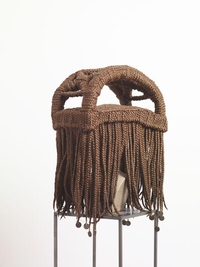 Meschac Gaba Kwame N'Krumah (perruque MAVA-musée d'art de la vie active), 2010-2011
In Situ - fabienne leclerc
€23,000
Buy now
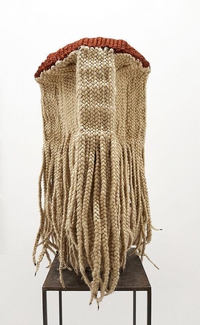 Meschac Gaba Louvre Abu Dhabi, 2019
In Situ - fabienne leclerc
€25,000
Buy now
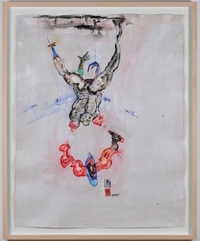 Dominique Zinkpè Plaisir Partagé, 2013
In Situ - fabienne leclerc
€4,500
Buy now
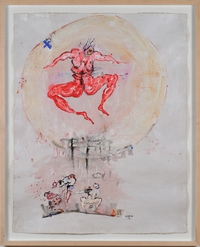 Dominique Zinkpè Premier jour de Béa, 2013
In Situ - fabienne leclerc
€4,500
Buy now
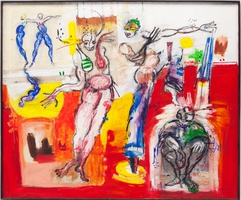 Dominique Zinkpè Untitled, 2014
In Situ - fabienne leclerc
€11,000
Buy now
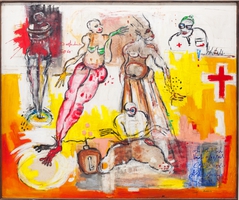 Dominique Zinkpè Untitled, 2014
In Situ - fabienne leclerc
€11,000
Buy now
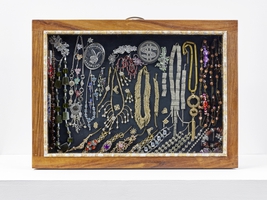 Meschac Gaba Valise Diplomatique (Diamants indigènes), 2013
In Situ - fabienne leclerc
€20,000
Buy now
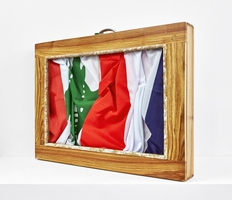 Meschac Gaba Valise Diplomatique (Liban-France), 2017
In Situ - fabienne leclerc
€17,000
Buy now
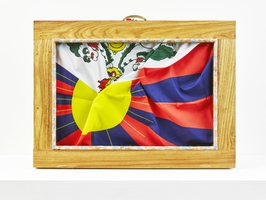 Meschac Gaba Valise Diplomatique (Tibet), 2017
In Situ - fabienne leclerc
€17,000
Buy now
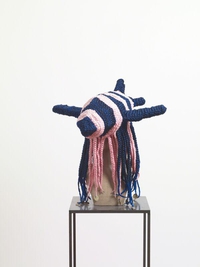 Meschac Gaba Wright Brothers ( perruque MAVA-musée d'art de la vie active), 2011
In Situ - fabienne leclerc
€23,000
Buy now
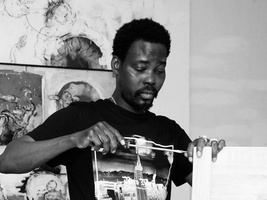 Dominique Zinkpè
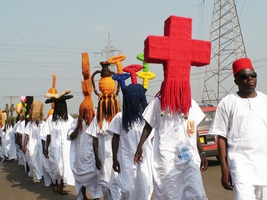 Meschac Gaba