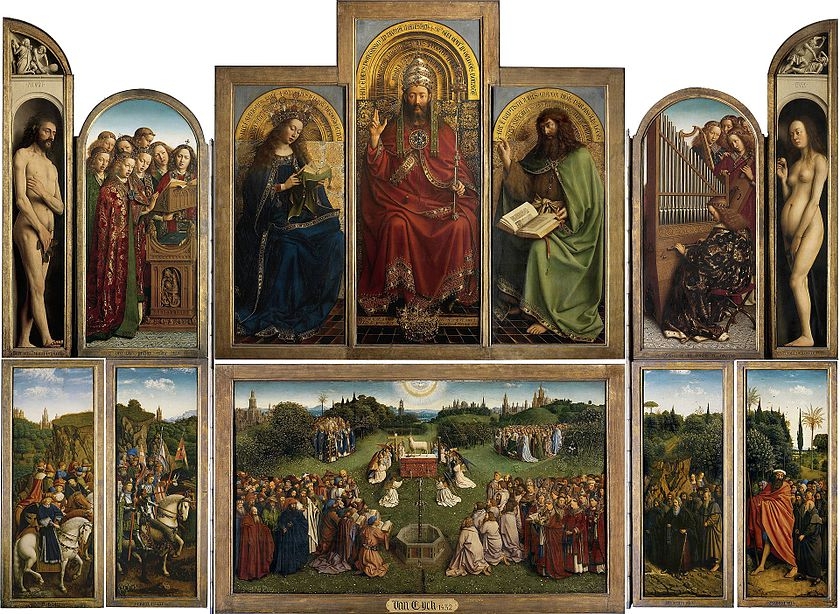
The Ghent Altarpiece by Jan van Eyck and his brothers, 1432. A large altarpiece on panel. The outer wings are hinged, and painted on both sides, Jan van Eyck
Public Domain
Panel Painting
A panel painting is a painting made on a flat panel made of wood, either a single piece, or a number of pieces joined together. Until canvas became the more popular support medium in the 16th century, it was the normal form of support for a painting not on a wall (fresco) or vellum, which was used for miniatures in illuminated manuscripts and paintings for the framing. Panel painting is very old; it was a very prestigious medium in Greece and Rome, but only very few examples of ancient panel paintings have survived. A series of 6th century BC painted tablets from Pitsa (Greece) represent the oldest surviving Greek panel paintings. Most classical Greek paintings that were famous in their day seem to have been of a size comparable to smaller modern works – perhaps up to a half-length portrait size. However, for a generation in the second quarter of the fifth-century BC there was a movement, called the "new painting" and led by Polygnotus, for very large painted friezes, apparently painted on wood, decorating the interiors of public buildings with very large and complicated subjects containing numerous figures at least half life-size, and including battle scenes. We can only attempt to imagine what these looked like from some detailed literary descriptions and vase-paintings that appear to echo their compositions.
Artworks
-
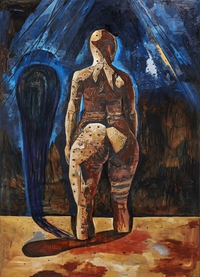 Damien Deroubaix Great American Nude, 2019
In Situ - fabienne leclerc
€40,000
Buy now
-
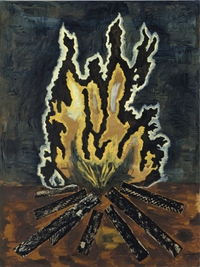 Damien Deroubaix Le Feu, 2018
In Situ - fabienne leclerc
€34,000
Buy now
-
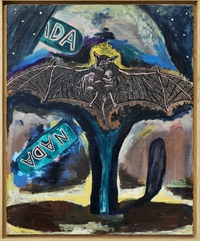 Damien Deroubaix Long sommeil, 2018
In Situ - fabienne leclerc
€17,500
Buy now
-
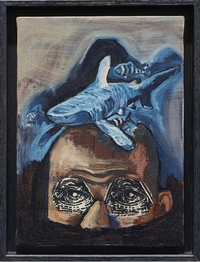 Damien Deroubaix Melancholia (requin), 2019
In Situ - fabienne leclerc
€6,000
Buy now
 Damien Deroubaix