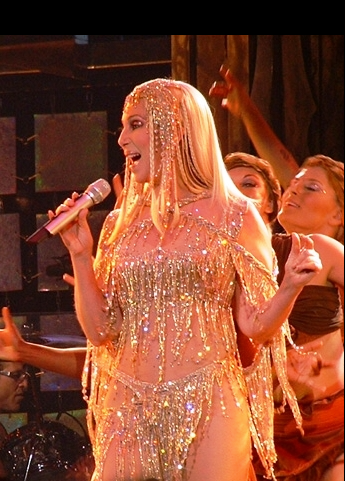
Emettmcginty, CC BY-SA 3.0
Camp
Camp is an aesthetic style and sensibility that regards something as appealing because of its bad taste and ironic value. Camp aesthetics disrupt many of modernism's notions of what art is and what can be classified as high art by inverting aesthetic attributes such as beauty, value, and taste through an invitation of a different kind of apprehension and consumption. Camp can also be a social practice and function as a style and performance identity for several types of entertainment including film, cabaret, and pantomime. Where high art necessarily incorporates beauty and value, camp necessarily needs to be lively, audacious and dynamic. "Camp aesthetics delights in impertinence." Camp opposes satisfaction and seeks to challenge. The visual style is closely associated with gay culture. Camp art is related to—and often confused with—kitsch, and things with camp appeal may also be described as "cheesy". When the usage appeared in 1909, it denoted "ostentatious, exaggerated, affected, theatrical; effeminate or homosexual" behavior, and by the middle of the 1970s, camp was defined by the college edition of Webster's New World Dictionary as "banality, mediocrity, artifice, [and] ostentation ... so extreme as to amuse or have a perversely sophisticated appeal". The American writer Susan Sontag's essay Notes on "Camp" (1964) emphasized its key elements as: "artifice, frivolity, naïve middle-class pretentiousness, and shocking excess".
Artworks
-
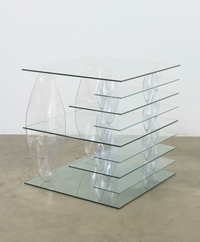 Patrick Jackson Untitled Stack, 2015
François Ghebaly
$6,500
Buy now
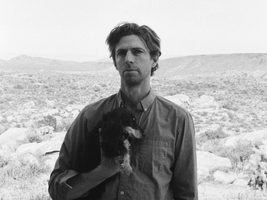 Patrick Jackson