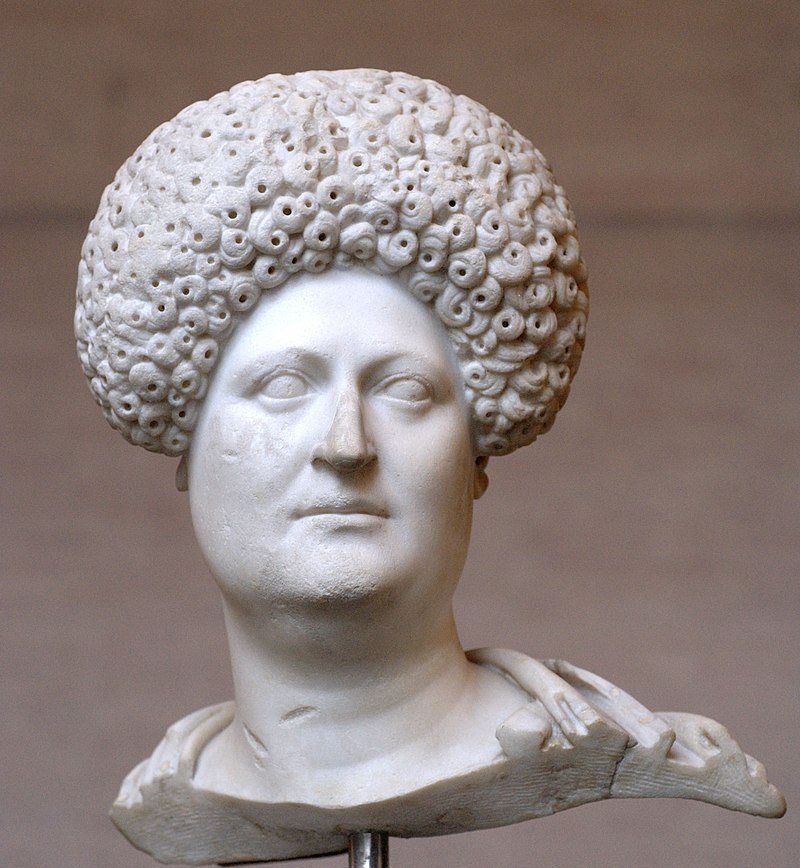
Bust of a Roman woman wearing a "diadem" wig, circa 80 CE
Public Domain
Wig
A wig is a head or hair accessory made from human hair, animal hair, or synthetic fiber. The word wig is short for periwig which makes its earliest known appearance in the English language in William Shakespeare's The Two Gentlemen of Verona. Some people wear wigs to disguise baldness; a wig may be used as a less intrusive and less expensive alternative to medical therapies for restoring hair or for a religious reason. In Egyptian society men and women commonly had clean shaven or close cropped hair and often wore wigs. The ancient Egyptians created the wig to shield shaved, hairless heads from the sun. They also wore the wigs on top of their hair using beeswax and resin to keep the wigs in place. Wealthy Egyptians would wear elaborate wigs and scented head cones of animal fat on top of their wigs. Other ancient cultures, including the Assyrians, Phoenicians, Jews in ancient Israel,Greeks and Romans, also used wigs as an everyday fashion.
Artworks
-
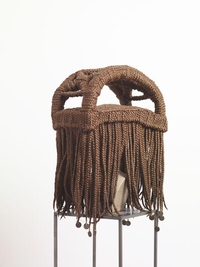 Meschac Gaba Kwame N'Krumah (perruque MAVA-musée d'art de la vie active), 2010-2011
In Situ - fabienne leclerc
€23,000
Buy now
-
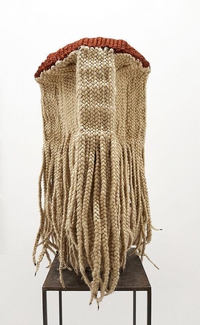 Meschac Gaba Louvre Abu Dhabi, 2019
In Situ - fabienne leclerc
€25,000
Buy now
-
 Meschac Gaba Valise Diplomatique (Diamants indigènes), 2013
In Situ - fabienne leclerc
€20,000
Buy now
-
 Meschac Gaba Valise Diplomatique (Liban-France), 2017
In Situ - fabienne leclerc
€17,000
Buy now
-
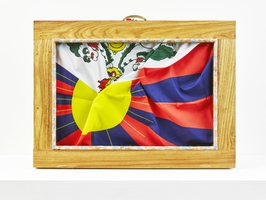 Meschac Gaba Valise Diplomatique (Tibet), 2017
In Situ - fabienne leclerc
€17,000
Buy now
-
 Meschac Gaba Wright Brothers ( perruque MAVA-musée d'art de la vie active), 2011
In Situ - fabienne leclerc
€23,000
Buy now
 Meschac Gaba